••
Governs Kwame Agbodza Issues Deadline Warning to Contractors as Nationwide Road Inspections Intensify
•3 min read•5 sources
Roads and Highways Minister Governs Kwame Agbodza has issued a firm directive to contractors across Ghana, warning that those who fail to complete projects on schedule will be excluded from future contracts under the government’s ambitious "Big Push" infrastructure programme. Speaking during a nationwide inspection tour that included visits to the Northern and Upper West regions, the Minister emphasized that the government is committed to delivering high-quality infrastructure within its four-year mandate. Agbodza clarified that while the inspections are intended to monitor progress and provide support to struggling firms, the administration will not tolerate abandoned or unnecessarily delayed projects that hinder national development.
During his visit to the Tamale Outer Ring Road, a project vital for one of West Africa’s fastest-growing cities, Agbodza instructed contractors to maintain their work schedules regardless of visits from government dignitaries. He noted that routine operations—including dust control through watering unpaved roads—should never be halted for protocol unless there is a direct risk to public safety. "Officials should be treated like any other member of the public," the Minister stated, urging a focus on community welfare over ceremonial formalities. This directive is part of a broader effort to ensure that major projects, such as the Tamale bypass, remain on track for their 2027 completion targets.
In the Upper West Region, the Minister highlighted the ongoing upgrade of the Wa-Tumu-Bolgatanga road corridor. This project is expected to be a catalyst for economic growth, unlocking the agricultural and trade potential of the region by facilitating the movement of farm produce to markets. Despite inherited financial challenges, Agbodza reaffirmed that the government is prioritizing these corridors to support young people and farmers. Regional Highways Engineer Livistone Damali confirmed that work is active across nearly all sections of the corridor, receiving strong support from local leaders who see the road as a solution to long-standing transportation hurdles.
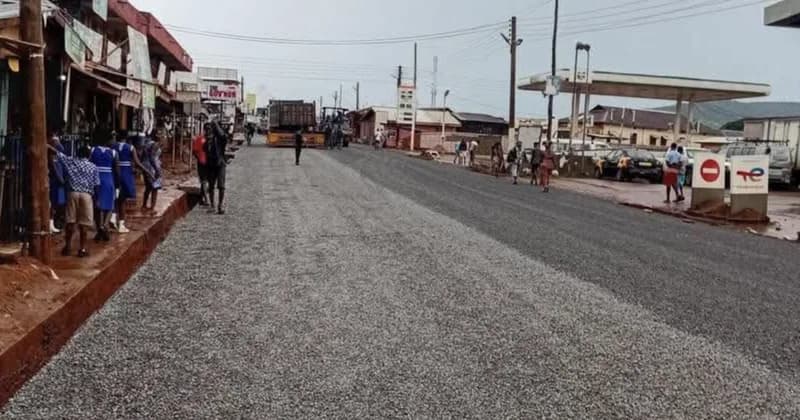
Further south in the Eastern Region, the Minister is set to cut the sod for the rehabilitation of the Somanya-Dodowa trunk road. However, the project has drawn specific demands from residents of Yilo and Lower Manya Krobo. Local teachers and commercial drivers have called on the government to incorporate asphalt overlays rather than standard surfacing. Their concerns stem from the heavy traffic of limestone haulage trucks—estimated at 50 daily—which causes rapid deterioration of the road network. Residents argue that durable asphalt is necessary to protect the government's investment and ensure long-term safety and economic stability for the area.
Throughout his tour, Minister Agbodza has maintained that these inspections are not meant to "witch-hunt" or target contractors unfairly. Instead, they serve as a mechanism to identify obstacles and provide the necessary government assistance to meet deadlines. By fostering a culture of accountability and prioritizing engineering quality, the Ministry aims to build a resilient road network that connects communities to essential services and bolsters the national economy under the Mahama administration.