••
GPRTU and Transport Operators Push for 30% Fare Hike Amid Dispute with Spare Parts Dealers
•2 min read•2 sources
Commercial transport operators in Ghana, led by the Ghana Private Road Transport Union (GPRTU) and the Ghana Road Transport Coordinating Council (GRTCC), have formally requested a review of transport fares from the Ministry of Transport. This move follows a significant surge in operational costs, primarily driven by rising fuel prices. With petrol now retailing at GH₵16.21 per litre and diesel reaching GH₵17.61, operators are proposing a 30% increase in fares to mitigate the mounting economic pressure on drivers and vehicle owners.
The transport unions argue that the current pricing regime is no longer sustainable given the volatility of the energy market. While the government continues to provide a subsidy of GH₵2 per litre on diesel to cushion the impact, operators maintain that this measure is insufficient to offset the broader inflationary pressures affecting their business. The GPRTU and GRTCC have indicated that they intend to enter formal negotiations with the Ministry of Transport shortly, promising to communicate the eventual outcomes of these discussions to the general public.
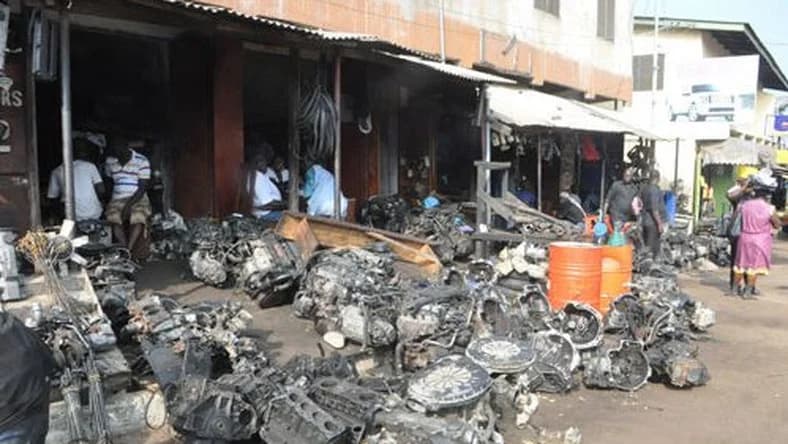
However, the proposed fare adjustment has met stiff resistance from the Abossey Okai Spare Parts Dealers Association. The association has publicly contested the operators' claims that rising spare parts costs serve as a primary justification for the 30% hike. According to the dealers, prices for essential vehicle components have remained relatively stable. They have accused transport unions of using unfounded claims to pressure the government, arguing that such a significant fare increase would unfairly burden ordinary citizens during a period of economic sensitivity.
As the dispute unfolds, the call for greater transparency in fare negotiations has intensified. The Abossey Okai dealers are urging the government to scrutinize the operators' justifications carefully and rely on verifiable economic data before granting any increases. The outcome of the upcoming discussions between the transport unions and the Ministry will be critical, as authorities must balance the operational viability of the transport sector against the cost-of-living concerns of the Ghanaian public. For now, commuters remain in a state of uncertainty as they await a final decision on the future of transport costs.