••
Ghana Statistical Service Reports 15% Teenage Pregnancy Rate as UNFPA Urges Strategic Investment to Curb Maternal Mortality
•2 min read•2 sources
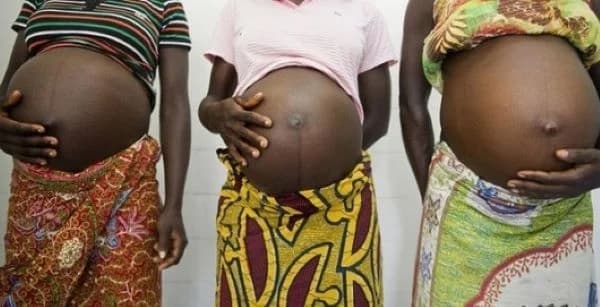
Data from the Ghana Statistical Service (GSS) reveals that 15% of girls aged 15–19 in Ghana have experienced pregnancy, a figure that underscores the urgent need for integrated health and development interventions. This data aligns with warnings from the United Nations Population Fund (UNFPA), which identifies adolescent pregnancy as a significant contributor to maternal mortality across West and Central Africa. As President John Mahama’s administration continues its second non-consecutive term, health experts and statisticians are calling for a shift from general political commitment to robust financial investment and systemic reform to protect young women and improve maternal health outcomes.
Dr. Sennen Hounton, the UNFPA Regional Director for West and Central Africa, has emphasized that the persistent challenge of maternal mortality is rooted in fundamental health system weaknesses and deep-seated social inequalities rather than a lack of political will. While praising Ghana’s specific commitment to addressing these disparities, Dr. Hounton noted that a high proportion of maternal deaths occur among adolescents who lack access to necessary education and resources. He highlighted that significant progress is possible, citing improvements in countries like Sierra Leone, but stressed that African nations must enhance local production of reproductive health commodities to reduce their reliance on imported supplies.
The GSS report, based on the 2022 Ghana Demographic and Health Survey, further clarifies that 11% of the 15–19 age group have already given birth, creating substantial barriers to their educational advancement and future economic participation. This demographic trend poses a risk to the nation’s long-term development goals, as early pregnancy often limits the ability of young women to contribute fully to the economy. Consequently, the GSS and international partners are advocating for a holistic approach that includes increased funding for technical education and the creation of stronger pathways from school to the workforce to harness Ghana's demographic potential.
To achieve a sustainable reduction in maternal mortality, both the GSS and UNFPA recommend that maternal health be integrated into broader national development strategies rather than being treated as an isolated medical issue. This requires leveraging reliable data for targeted interventions and ensuring that health financing is both adequate and consistent across all regions. As Ghana moves forward, the focus remains on closing the gap between policy and implementation, ensuring that the health, education, and employment rights of young people are prioritized to secure a more equitable and prosperous future for the country.
This story touches markets covered on Anansi Intelligence ↗.
Related topic
John Mahama: Latest News & Updates →More from health
Continue exploring similar stories


