••
Guinea-Bissau rejects US-backed hepatitis B vaccine trial in newborns
•2 min read•1 source
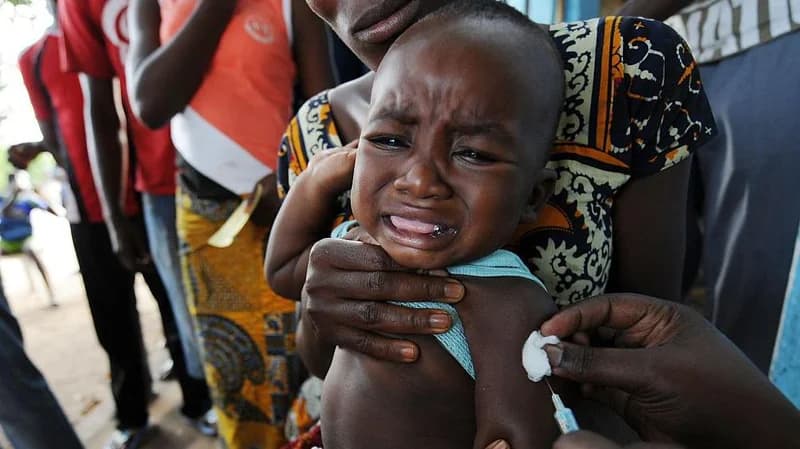
The transitional government of Guinea-Bissau has formally rejected the approval of a proposed clinical trial for a hepatitis B vaccine intended for newborns. Health Minister Quinhin Nantote issued a statement clarifying that the government has not authorized the research, directly contradicting earlier reports suggesting the study was set to move forward. This decision highlights the administration's commitment to ensuring that all medical research conducted within its borders, especially involving vulnerable populations like infants, meets rigorous international and domestic ethical standards.
The trial had garnered significant attention due to its support from the Trump administration in the United States; however, it raised substantial ethical alarms among health experts and local officials. The primary point of contention was the study's design, which would have left a portion of the participating newborns without the vaccine as part of a control group. In Guinea-Bissau, where hepatitis B is highly prevalent, withholding a proven vaccine from infants is viewed by health authorities as a violation of basic medical ethics and a significant risk to public health.
Following the outcry, Minister Nantote confirmed that health officials had called for additional ethical reviews before any further consideration could be given to the project. The U.S. Department of Health and Human Services (HHS) has also intervened, stating that the study does not currently have the necessary approvals to proceed. This development serves as a significant assertion of sovereignty and ethical oversight by the Guinea-Bissau health ministry, ensuring that international research partnerships do not bypass local safety protocols or exploit the health needs of the population.