••
Hariratah Ibrahim Doudu calls for more women and youth in political roles
•2 min read•1 source
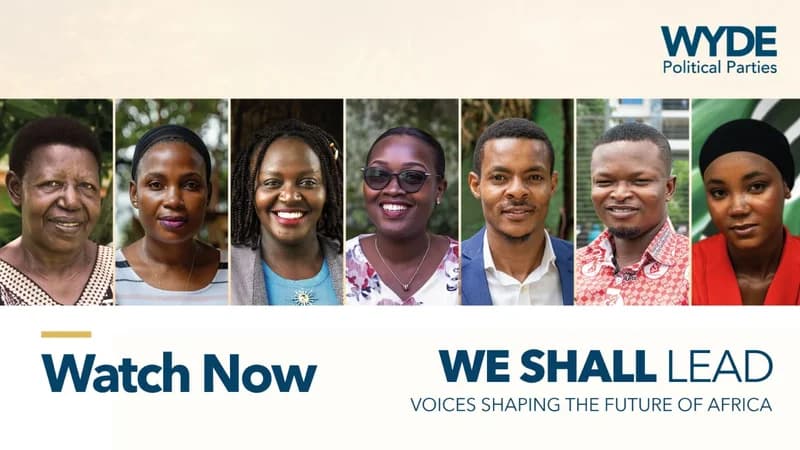
Ms. Hariratah Ibrahim Doudu, the Vice President of the Students' Representative Council (SRC) at the Ghana School of Law, has called for significant structural changes to address the systemic barriers hindering women and youth from entering Ghanaian politics. Speaking during the premiere of the European Union-funded documentary "We Shall Lead: Voices Shaping the Future of Africa," Ms. Doudu highlighted the persistent challenges that discourage young leaders from seeking high-office positions. The documentary serves as a platform for emerging leaders to voice their concerns and propose solutions for a more inclusive political landscape.
During her address, Ms. Doudu pointed out a concerning trend at the Ghana School of Law, noting that despite a significant female student population, no woman had contested for the vice presidency of the SRC for over five years until her recent candidacy. She emphasized that this lack of representation is not due to a lack of ambition but rather a result of deep-seated systemic hurdles and financial constraints that disproportionately affect women and young people. These barriers, she argued, must be dismantled to ensure that diverse voices are represented at the decision-making table.
The call for reform was echoed by other prominent youth figures, including Rashid Ibrahim from the National Union of Ghana Students (NUGS) and Sherif Ghali. These leaders stressed that for young people to take on meaningful roles in governance, there must be a deliberate effort to provide greater financial support and mentorship. They argued that the high cost of political campaigns and the absence of a supportive infrastructure often force capable young individuals to remain on the periphery of active politics, depriving the nation of fresh perspectives and innovative leadership.
The documentary "We Shall Lead" is part of a broader EU-funded initiative aimed at enhancing democratic engagement among women and youth across Ghana, Kenya, and Uganda. By showcasing the experiences of young leaders in these three countries, the project seeks to promote their influence in decision-making processes and strengthen the democratic fabric of the region. The initiative underscores the importance of creating an environment where every citizen, regardless of age or gender, has a realistic opportunity to contribute to their country's political development.
