••
Hüseyin Güngör calls for enhanced Ghana-Turkey investment partnerships
•2 min read•1 source
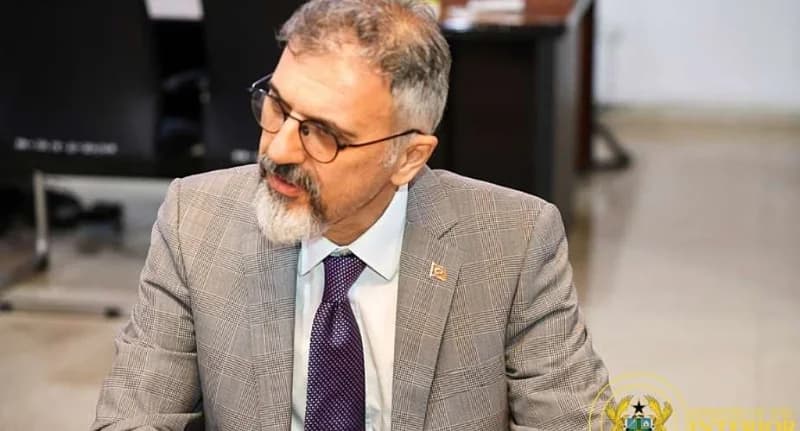
The Turkish Ambassador to Ghana, Hüseyin Güngör, has called for a significant deepening of investment partnerships between Ghanaian and Turkish businesses to drive local industrialization. Speaking during a visit to Nokware Frozen Foods, the Ambassador highlighted the mutual benefits of stronger economic ties, particularly in fostering job creation and enhancing the capacity of local production facilities. He noted that the existing relationship between the two nations provides a solid foundation for expanded cooperation across various industrial sectors.
Ambassador Güngör specifically identified agriculture, textiles, and machinery as high-potential areas where Turkish expertise and Ghanaian resources could converge. He encouraged Ghanaian entrepreneurs to look beyond local borders and explore investment opportunities within Turkey, suggesting that such cross-border engagements would facilitate technology transfer and improve manufacturing standards. To achieve this, however, he emphasized the necessity of a more favorable local business environment and called for closer collaboration with the government to streamline investment processes.
Local business leaders present at the engagement echoed the Ambassador’s sentiments while highlighting specific challenges within the Ghanaian market. Prince Amoh, a Ghanaian businessman, advocated for targeted government support for the local poultry industry and urged the creation of more attractive conditions for foreign direct investment. Adding to this, Alhaji Ahmed Tijani Dan Salley pointed to the practical hurdles faced by local entrepreneurs, specifically citing the high tax burden and the difficulty in accessing affordable credit. He argued that reducing these fiscal pressures is essential for local businesses to effectively partner with international investors.
The engagement underscores a broader strategic effort to rebalance trade relations between Ghana and Turkey toward more sustainable, production-based partnerships. By focusing on machinery and agricultural value addition, stakeholders hope to transition from simple trade to robust industrial collaboration. As both nations seek to navigate global economic shifts, the successful implementation of these investment strategies is expected to play a critical role in fostering long-term economic growth and stabilizing the local manufacturing sector.

