••
IMF predicts 12% drop in bilateral aid to Sub-Saharan Africa in 2026
•2 min read•1 source
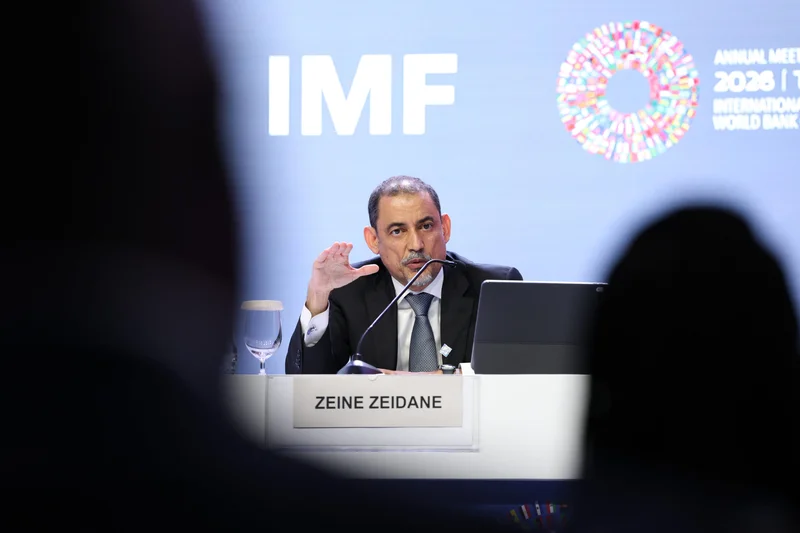
The International Monetary Fund (IMF) has projected a 12% reduction in bilateral aid to Sub-Saharan Africa for 2026, marking the second consecutive year of significant funding declines. This follows a substantial 26% drop in 2025, a trend that the Fund warns will severely restrict the fiscal space available to regional governments. As external financial support wanes, nations across the subcontinent are expected to face increased difficulty in absorbing economic shocks and funding essential public services.
While the IMF anticipates modest economic growth for the region—projected at 4.5% in 2026 and rising to 5% in 2027—the withdrawal of aid creates a precarious environment. Director Zeidane emphasized that the reduction in external resources will limit the ability of governments to respond to inherent vulnerabilities. To mitigate these impacts, the IMF recommends that nations implement targeted fiscal measures specifically designed to protect the poorest households, while also leveraging technologies like artificial intelligence to enhance productivity across various economic sectors.
The regional trend is already manifesting in specific national challenges, notably in Ghana. Recent cuts in aid from the United States have forced the Ghanaian government to undertake urgent budget reallocations to prevent service disruptions. The healthcare sector is particularly under pressure, necessitating a shift in domestic resource management. Moving forward, the IMF highlights that debt transparency and improved management will be critical for regional stability as countries navigate this era of diminished international assistance.