••
Energy Minister John Jinapor Urges Strategic Financing as ECOWAS Approves $25bn Nigeria-Morocco Gas Pipeline
•2 min read•3 sources
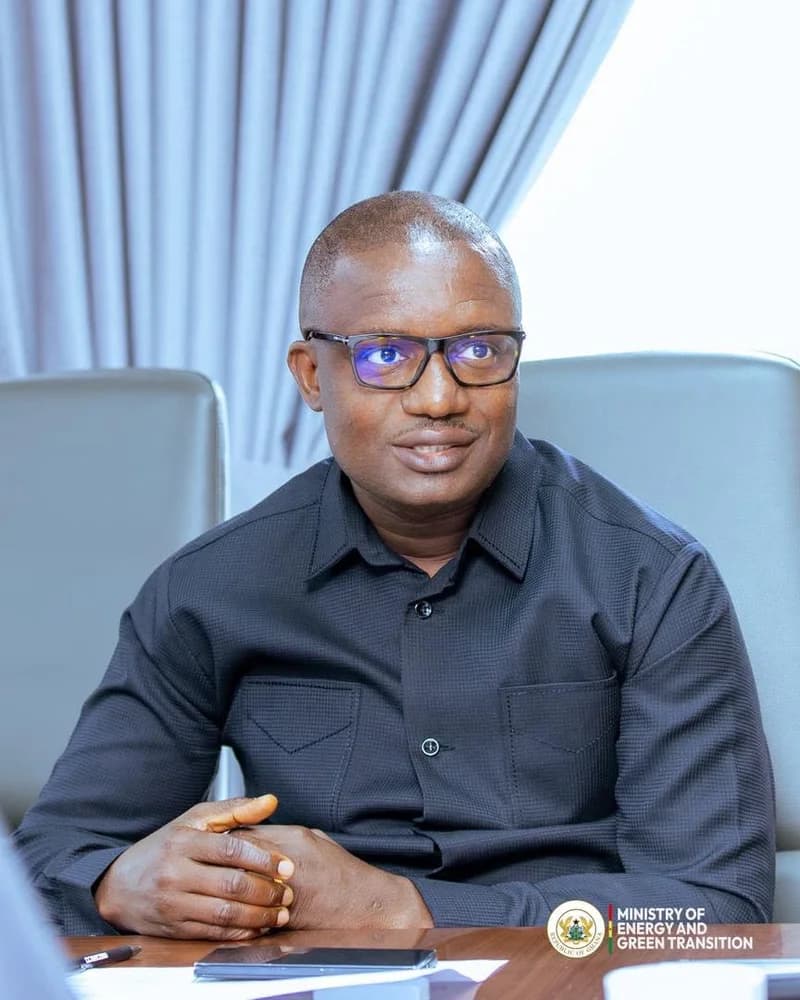
Ghana’s Minister for Energy and Green Transition, Dr. John Abdulai Jinapor, has identified the lack of coordinated financing as the primary obstacle to unlocking Africa’s vast energy potential. Speaking at a recent forum in Accra, Dr. Jinapor emphasized that while the continent is rich in resources, the mobilization of capital remains highly concentrated and insufficient to meet the needs of the majority. This call for investment coincides with a major milestone for regional infrastructure, as ECOWAS leaders recently greenlit the legal framework for the $25 billion Nigeria-Morocco gas pipeline during a summit in Sierra Leone, signaling a renewed push for cross-border energy cooperation.
Dr. Jinapor highlighted a concerning disparity in energy funding, noting that while $345 billion was mobilized for African energy projects between 2012 and 2021, approximately 77% of these funds were concentrated in just ten countries. This imbalance leaves over half of the African population without reliable access to electricity. The Minister urged African governments to shift their perception of energy resources, viewing them as vital economic assets that require sustained investment in infrastructure to drive technology, innovation, and industrial growth. He advocated for a collaborative approach to develop sustainable power systems that can support both domestic needs and international trade.
The Nigeria-Morocco gas pipeline serves as a flagship project for the kind of regional integration Dr. Jinapor described. The 6,000-kilometer pipeline is designed to transport approximately 30 billion cubic meters of Nigerian natural gas annually to Morocco and eventually into European markets. With an estimated cost between $25 billion and $27 billion, the project aims to provide a sustainable energy source for socio-economic development across the West African sub-region. Construction is expected to commence in 2028, following the finalization of investment commitments and the legal frameworks established at the ECOWAS summit.
Ultimately, the success of such ambitious infrastructure projects hinges on the continent's ability to secure reliable, long-term financing and enhance cross-border energy security. Dr. Jinapor concluded that fostering a competitive energy market through sustained investments will not only bridge the electricity gap but also position Africa as a significant player in the global green transition. As the 2028 construction target for the Nigeria-Morocco pipeline approaches, the focus remains on whether African nations can harmonize their regulatory and financial strategies to transform their shared energy potential into tangible industrial progress.

