••
Energy Minister John Jinapor Commissions 6,000-Tonne LPG Terminal as Ghana Targets 50% Access by 2030
•2 min read•7 sources
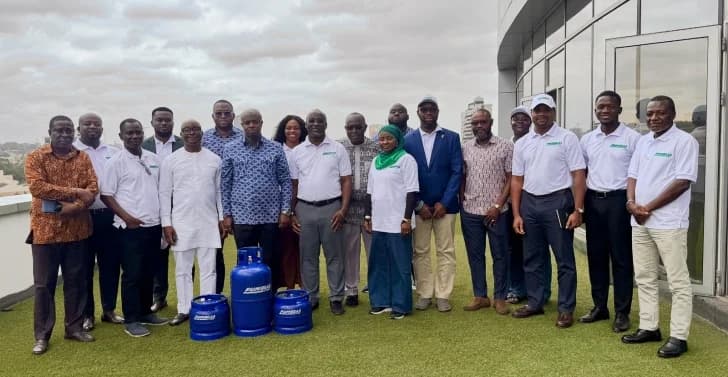
Ghana’s Minister for Energy and Green Transition, Dr. John Abdulai Jinapor, has commissioned a new 6,000-metric-tonne Liquefied Petroleum Gas (LPG) storage terminal at the Tema Oil Jetty, marking a significant milestone in the country’s quest for energy security. The facility, developed by Asharami Ghana in partnership with the Sahara Group, is designed to bolster national storage capacity and ensure a more resilient downstream petroleum supply chain. During the inauguration on September 30, 2026, which coincided with the maiden delivery of 5,000 metric tonnes of LPG by the vessel MT Asharami Ghana, Dr. Jinapor emphasized that such private-sector investments are indispensable to achieving the government’s ambitious target of 50% LPG penetration by 2030.
In tandem with the infrastructure expansion, Puma Energy Ghana has intensified its commitment to the sector by signing partnership agreements with five local LPG distributors. This initiative is centered on the Cylinder Recirculation Model (CRM), a decentralized retail network that allows consumers to exchange exhausted cylinders for filled ones at no cost. Puma Energy plans to invest in over 40,000 new branded cylinders by late 2026 as part of a multi-million-dollar strategy to reach 30,000 local communities. Lanzeni Coulibaly, General Manager of Puma Energy Ghana, noted that the move aims to enhance safety and reliability while supporting cleaner cooking solutions for households across the nation.
The National Petroleum Authority (NPA) has reaffirmed its dedication to providing a transparent and responsive regulatory environment to support these industry developments. NPA Chief Executive Godwin Edudzi Tameklo (also referred to as Godwin Kudzo Tameklo) highlighted the importance of collaboration between the regulator and private investors to ensure the successful implementation of the CRM. Asharami Ghana’s leadership specifically commended the NPA for its technical guidance and support during the vessel’s arrival, which successfully integrated approximately 5,000 tonnes of cleaner fuel into the national grid.
These combined efforts by the government and private entities represent a strategic shift toward sustainable energy and economic growth. By expanding storage infrastructure and refining distribution models, Ghana is mitigating supply chain vulnerabilities that have historically impacted the reliability of clean fuel. Moving forward, the government expects these investments to create diverse job opportunities in trading, logistics, and distribution, ultimately improving public health outcomes by reducing reliance on traditional biomass for cooking and securing the country’s energy future.
Live rates
Dollar to cedi rate →

