••
Transport Minister Joseph Bukari Nikpe Unveils Maritime Hub Vision as CEMSE Urges Overhaul of Fishing Subsidies
•2 min read•2 sources
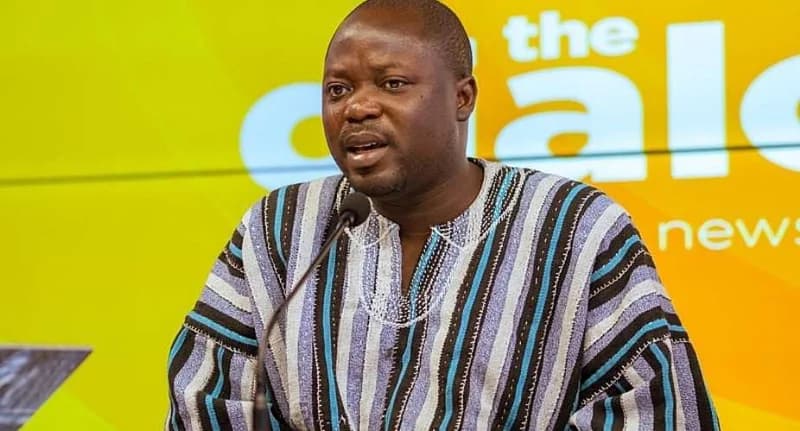
Ghana's government is intensifying efforts to transform the maritime sector into a robust economic engine, with Transport Minister Joseph Bukari Nikpe detailing plans to solidify the nation’s status as a West African logistics hub. While the state focuses on port expansion and operational efficiency, energy experts from the Centre for Energy and Sustainable Management (CEMSE) are calling for a parallel reform in the fishing industry. The proposed shifts aim to leverage Ghana's maritime geography—which accounts for 80-90% of trade volume—to drive sustainable growth and reduce reliance on imports. Minister Nikpe revealed that the government is moving forward with the expansion of Tema Port and the implementation of 24-hour operations to streamline trade. Additionally, Takoradi Port is slated for a strategic transformation into a specialized center for oil and gas services. To further enhance safety and local expertise, the government plans to establish a hydrographic office capable of producing local navigation charts. These initiatives are designed to create jobs and improve the ease of doing business, though industry experts emphasize that the success of these projects hinges on effective policy implementation, increased digitalization, and human capacity development. Complementing these infrastructure goals, CEMSE CEO Benjamin Nsiah has advocated for a significant policy shift regarding premix fuel. Nsiah urged the government to eliminate the existing premix fuel subsidy, describing it as inefficient and a source of financial strain on national revenue. He noted that the current system often fails its intended beneficiaries, with subsidized fuel frequently sold at inflated prices on the black market. Instead, CEMSE proposes redirecting these funds into a productivity-based credit subsidy system and enhancing physical fishing infrastructure, which would provide fisherfolk with the necessary tools and capital to boost local production. The convergence of infrastructure expansion and subsidy reform highlights a critical juncture for Ghana’s blue economy. By transitioning from direct fuel subsidies to targeted credit support and modernized port facilities, the government could address both fiscal leakages and logistics bottlenecks. As Ghana seeks to maintain its competitive edge in the sub-region, the integration of these high-level maritime policies with ground-level support for the fishing community remains essential for long-term economic stability and maritime excellence.
