••
KATH Mother and Baby Unit construction stalls over unpaid arrears
•2 min read•1 source
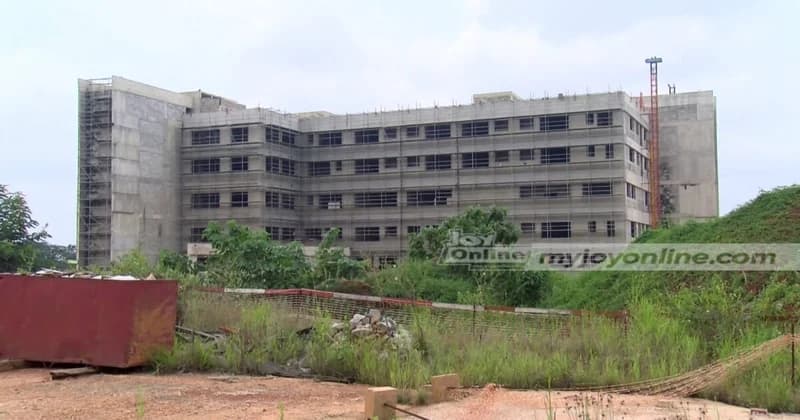
Construction of the 509-bed Mother and Baby Unit at the Komfo Anokye Teaching Hospital (KATH) in Kumasi has ground to a halt, with work suspended for the past 14 months. The $138.5 million project, which was intended to significantly improve maternal and neonatal care in the Ashanti Region, remains incomplete due to outstanding payments owed to the contractor. This latest delay follows a pattern of interruptions that have left the critical health infrastructure project only 56% finished, long after its original completion target.
Initially launched in 2019, the facility was expected to be operational by 2022. However, financial constraints have plagued the development, leading to two separate suspensions of work since its inception. The Parliamentary Committee on Health has expressed deep concern over the situation, noting that the prolonged inactivity is resulting in the waste of taxpayer funds. Members of the committee observed that materials already procured for the construction are beginning to deteriorate due to exposure and lack of maintenance, potentially increasing the eventual cost of the project.
The stall in construction has sparked disappointment among local officials and community members who rely on KATH for specialized medical services. As the primary referral center for the middle and northern belts of Ghana, the hospital’s current facilities are often severely overcrowded, making the new 509-bed unit a necessity for reducing maternal and infant mortality rates. The delay means that thousands of expectant mothers and newborns must continue to navigate congested wards while the modern facility sits half-finished.
The Parliamentary Committee on Health has called for urgent action to address the arrears and resume work to prevent further financial loss and infrastructure decay. As the project sits at just over half completion, the focus remains on the government’s ability to secure the necessary funding to settle the debt with the contractor. The timely completion of the Mother and Baby Unit is viewed as vital for meeting national health targets and providing the Ashanti Region with the modern healthcare infrastructure promised several years ago.