••
Kenya Ministry of Health Reports Fatal Dengue Fever Outbreak in Garissa and Wajir Counties
•2 min read•1 source
Kenyan health authorities are on high alert following a significant outbreak of dengue fever in the northeastern region of the country. As of August 26, 2025, the Ministry of Health has reported a total of 1,678 cases across Garissa and Wajir counties, with five suspected fatalities linked to the viral infection. This surge in cases highlights the ongoing public health challenges in areas prone to mosquito-borne diseases and has prompted an immediate response from national and local health officials to contain the spread and minimize the risk of further mortality.
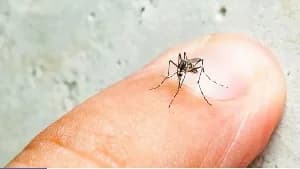
Garissa County is currently the epicenter of the outbreak, accounting for the vast majority of infections with 1,583 reported cases. In neighboring Wajir County, health officials have confirmed 95 laboratory-tested cases as part of an intensified screening effort. The Ministry of Health is working to bolster surveillance and diagnostic capabilities in these regions to ensure early detection and management of the illness. Dengue fever, which is transmitted by the Aedes aegypti mosquito, typically causes high fever, severe headaches, and muscle pain, but it can progress to more severe, life-threatening forms if not properly treated.
The government's response currently focuses on integrated vector control measures and public awareness campaigns to mitigate the risk of further transmission. Local health teams are being deployed to conduct targeted fumigation in high-risk areas and to educate the public on reducing mosquito breeding sites, such as stagnant water containers, near residential properties. With five deaths already suspected, the priority remains the protection of vulnerable populations and the prevention of a wider regional health crisis through proactive community engagement and clinical support.
As health workers continue to monitor the situation, the Ministry of Health has urged residents in the affected counties to seek medical attention immediately if they experience symptoms associated with the virus. The current outbreak serves as a critical reminder of the need for robust healthcare infrastructure and consistent preventive measures in Kenya's arid and semi-arid regions. Continued coordination between national health agencies and county-level departments will be essential to manage the current case load and prevent the outbreak from escalating further into other parts of the country.

