••
Kenya records first fatal imported case of Ebola Bundibugyo virus
•2 min read•1 source
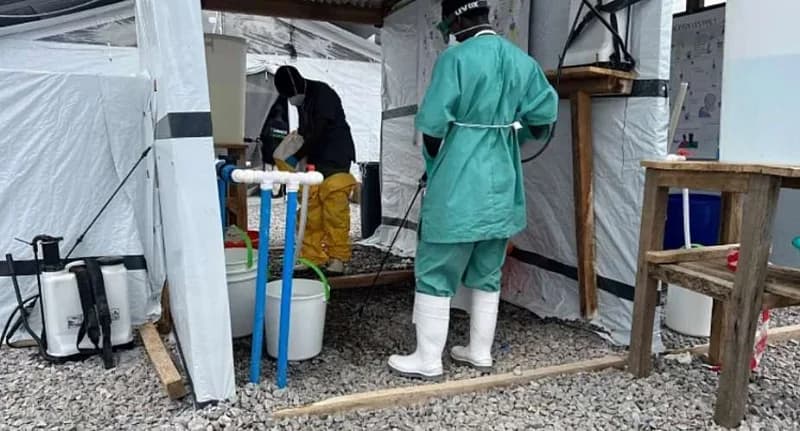
Kenya has recorded its first imported fatal case of the Ebola virus driven by the Bundibugyo strain, according to the World Health Organization (WHO). The confirmation on October 6 has prompted health authorities to launch intensified contact tracing efforts to identify and monitor individuals who may have been exposed. This regional development comes as the outbreak also expands within the Democratic Republic of the Congo (DRC) to the Alimbongo health zone in North Kivu, where four infections and two deaths were recently confirmed.
The overall scale of the outbreak is significant, with the virus now reaching 64 health zones across seven provinces in the DRC. There have been 8,728 confirmed cases to date, with the WHO reporting a fatality rate of 48.2%. The expansion into previously unaffected areas like Alimbongo underscores the persistent challenges in containing the disease. Regional governments are currently strengthening cross-border surveillance and screening measures at entry points to prevent further international transmission.
Response efforts in the eastern DRC are facing major obstacles, including limited treatment capacity and ongoing insecurity in North Kivu. Humanitarian groups, such as Doctors Without Borders (MSF), have warned that medical resources are being stretched to their limits by the growing geographic footprint of the virus. Community mistrust remains a significant barrier, often preventing health workers from effectively implementing contact tracing and treatment protocols. Additionally, the presence of armed groups in the region continues to threaten the safety of medical personnel and the logistics of healthcare delivery.
The WHO has stressed that controlling the outbreak depends on accurate contact tracing and meaningful community engagement. Addressing local concerns and building trust in public health measures are seen as vital for stopping the spread. As the virus appears in new locations, including its recent arrival in Kenya, the international community is being urged to provide additional support to bolster regional response capacities and ensure that frontline workers have the resources needed to prevent a wider health crisis.


