••
Khadija Iddrisu inaugurates ECOWAS National Office in Accra
•2 min read•1 source
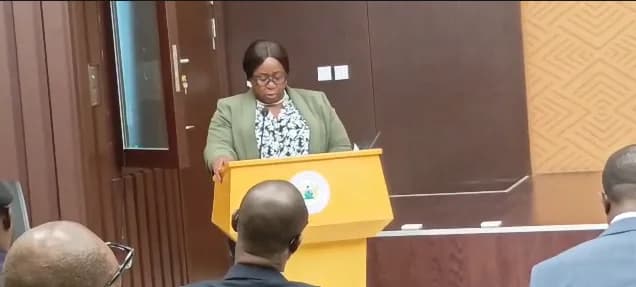
Ambassador Khadija Iddrisu has officially inaugurated the re-established ECOWAS National Office in Accra, marking a significant step in enhancing Ghana’s coordination and implementation of regional programmes. The move is designed to streamline the country's engagement with the Economic Community of West African States (ECOWAS) and ensure that regional protocols are more effectively integrated into national frameworks. By restoring this office, the government aims to provide a dedicated institutional space to manage the complex requirements of regional integration and cooperation.
The inauguration took place during the launch of the ECOWAS Community Levy and Finance Committee in the capital. Speaking at the event, Ambassador Iddrisu highlighted the office's dual role as a primary coordinator and a secretariat for the newly launched Finance Committee. This structure is intended to improve the collection and management of the community levy, which is a critical funding mechanism for the regional bloc. The ambassador emphasized that the office will be pivotal in supporting various regional initiatives and ensuring that Ghana fulfills its institutional commitments to the community.
Further strengthening the framework for regional engagement, plans are underway to establish two additional committees that will operate under the auspices of the National Office. These committees are expected to focus on specific sectors of integration, providing technical expertise and oversight for ECOWAS-driven projects. This expansion reflects a broader strategy to create a more robust and responsive administrative system that can handle the evolving demands of West African economic and political cooperation.
The re-establishment of the ECOWAS National Office is viewed as a vital move to bolster Ghana’s leadership role within the sub-region. By creating a centralized hub for regional affairs, the government expects to see improved communication between national ministries and the ECOWAS Commission in Abuja. Ultimately, this initiative seeks to make the benefits of regional integration more tangible for Ghanaian citizens by ensuring that regional policies in trade, security, and infrastructure are successfully executed on the ground.