••
UNESCO Director-General Khaled El-Enany Ezz Engages Brandenburg University Students on African Enslavement and Reparatory Justice
•2 min read•1 source
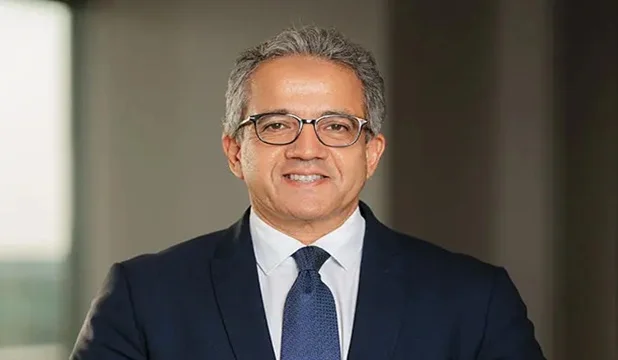
In a landmark interaction during his June 2026 visit to Germany, UNESCO Director-General Professor Khaled El-Enany Ezz met with students from the World Heritage Studies program at Brandenburg University of Technology to discuss the United Nations resolution designating the enslavement of Africans as the gravest crime against humanity. This engagement served as a platform for future heritage professionals to interrogate how international legal frameworks can be translated into meaningful research and educational initiatives, particularly regarding the African continent and gender equality. The Director-General’s presence emphasized UNESCO’s commitment to inclusive dialogue and the documentation of historical injustices as a foundation for future policy development. During the session, Professor El-Enany Ezz highlighted the necessity of bridging the gap between historical documentation and public accessibility, specifically stressing the urgency of making the contents of the 'UNESCO General History of Africa' more available to global audiences. He further asserted that culture should be recognized as a human right, noting its absence from the UN’s Sustainable Development Goals (SDGs) as a significant omission that must be addressed to achieve true global equity. This perspective reinforces the idea that cultural heritage is not merely a reflection of the past but a vital component of contemporary human rights. The exchange grew particularly poignant when discussing reparatory justice, as the Director-General encouraged students to provide personal insights on the moral and economic implications of historical injustices. This segment of the dialogue, featuring concerns from Ghanaian students and other participants, highlighted the ongoing friction between the moral imperative of reparations and the existing economic structures of former colonial powers. Participants argued that for genuine reparatory justice to occur, there must be a fundamental shift in the global power dynamics and economic systems that were established during the era of colonization. Ultimately, the engagement underscored the critical role of education in shaping future international policy. The session concluded with a call for institutional reforms that move beyond democratic rhetoric toward substantive change. By ensuring that the voices of those affected by historical narratives are heard, UNESCO aims to foster a new era of research and heritage management that reconciles painful historical truths with contemporary socio-economic realities, creating a more just framework for future generations.