••
KNUST Study Warns of Rapid Coastal Erosion as NADMO Activates Emergency Response for Bagré Dam Spillage
•2 min read•3 sources
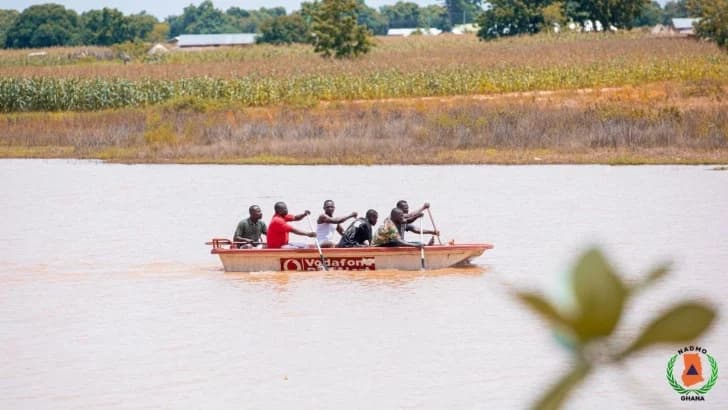
Ghana is facing a dual front of environmental challenges as a comprehensive study by the Kwame Nkrumah University of Science and Technology (KNUST) reveals severe coastal degradation, coinciding with the annual spillage of the Bagré Dam in Burkina Faso. The KNUST study, conducted under the TIDEKIT project, highlights a precarious situation along the eastern coastline where some areas have lost more than 103 metres of land. Researchers recorded erosion rates as high as 30.5 metres per year near the Volta Estuary, while saltwater intrusion has contaminated groundwater up to 1.3 kilometres inland. Dr. Cyril D. Boateng and his team are now calling for a national coastal monitoring system and real-time early warning mechanisms to protect vulnerable communities from being displaced by the encroaching sea.
Simultaneously, the National Disaster Management Organisation (NADMO) has launched "Operation Thunder Bolt" to address the imminent threat of flooding following the commencement of excess water spillage from the Bagré Dam on August 31, 2026. With the dam's water level more than doubling its discharge volume in a single day, NADMO has established safe havens for downstream communities and coordinated an emergency response strategy. This proactive stance aims to mitigate the seasonal devastation often experienced in the northern regions, as authorities advise residents in flood-prone zones to adhere strictly to safety precautions and evacuation orders.
On the local level, disaster management efforts are already being tested by a rise in domestic and environmental incidents. In the Asokore-Mampong Municipality, NADMO recently provided essential relief items to 86 individuals displaced by fire and flooding. Municipal Chief Executive Ben Abdullah Alhassan emphasized that the distribution of mattresses, food supplies, and blankets is part of a broader commitment to resident welfare. However, the Ashanti Regional NADMO Directorate noted a concerning trend, reporting 20 fire disasters in the municipality between January and August 2026 alone, urging households to prioritize fire prevention alongside flood readiness.
The findings from the TIDEKIT project and the immediate demands of the Bagré Dam spillage underscore the urgent need for a transition from reactive disaster response to proactive environmental management. Experts from KNUST and NADMO emphasize that success will depend on sustained collaboration between the Environmental Protection Agency (EPA), the Ghana Meteorological Agency (GMet), and local assemblies. By investing in local predictive technologies and better data collection, the government aims to enhance national resilience against the escalating threats of climate change and seasonal environmental hazards.