••
KNUST research team develops local recipes to combat Saboba malnutrition
•2 min read•1 source
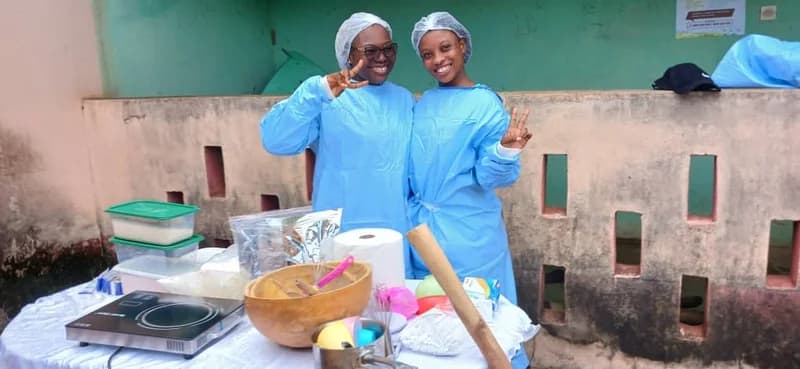
A research team from Kwame Nkrumah University of Science and Technology (KNUST) has introduced standardized recipes using indigenous ingredients to address high rates of child stunting and anaemia in the Saboba District of the Northern Region. The project seeks to transition households from diets heavy in carbohydrates to more nutritionally balanced meals by leveraging locally available resources. This intervention is part of a broader strategy to improve food security and public health outcomes in one of the region's primary agricultural hubs.
Despite the district's reputation as a productive agricultural area, research indicates that approximately 31% of households in Saboba remain food insecure. This nutritional gap has led to significant health challenges, particularly among children, where anaemia and stunting rates remain alarmingly high. To address this, the KNUST team documented 50 different food commodities native to the area. From these, they developed and standardized five distinct soup recipes and enhanced two traditional dishes, specifically designed to maximize nutritional intake while maintaining local tastes and traditions.
The initiative goes beyond recipe development, incorporating practical training sessions for community members and local stakeholders. By teaching families how to prepare these improved meals, the research team aims to empower residents to take control of their nutritional health using affordable, accessible ingredients. The project has received significant support from local leaders, who view the standardization of indigenous recipes as a sustainable solution to chronic malnutrition that does not rely on expensive imported supplements.
Looking forward, the researchers hope that the adoption of these enhanced recipes will lead to a measurable reduction in stunting and anaemia rates over the long term. By integrating scientific nutritional standards with traditional culinary practices, the team intends to create a scalable model for food security that can be replicated in other districts facing similar dietary challenges. The focus remains on fostering sustainable behavioral change within households to ensure lasting improvements in community wellbeing and child development.
