••
Koldo Casla warns Ghana against forced evictions without consultation
•2 min read•1 source
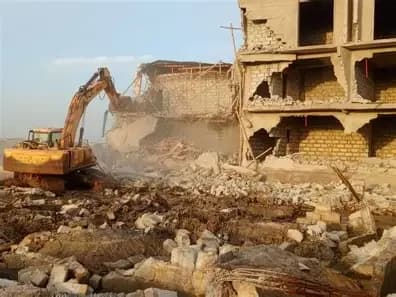
UN Special Rapporteur on the right to housing, Koldo Casla, has issued a formal caution to the Ghanaian government regarding the practice of forced evictions. He stated that carrying out such actions without prior consultation or legal safeguards violates the fundamental rights of citizens and contravenes international human rights standards. This warning comes in the wake of recent high-profile demolitions in parts of Accra that have displaced numerous residents and disrupted local commercial activities, leaving many families homeless.
During his assessment, Casla emphasized that the government must move away from language and policies that criminalize homeless individuals or those living in informal settlements. He noted that the recent demolitions did not only destroy homes but also severely impacted the livelihoods of small business owners who depend on those locations for their daily trade. According to the Special Rapporteur, the lack of a structured dialogue between the state and affected communities exacerbates the vulnerability of impoverished urban populations and creates unnecessary social friction.
The UN representative stressed that public participation is a non-negotiable component of effective housing development and urban planning. He urged Ghanaian authorities to integrate the perspectives of the poor into public policy design to ensure that national development does not come at the cost of human dignity. By involving these communities in the planning process, the government can find sustainable alternatives to forced removals, such as onsite upgrades or mutually agreed relocation plans that include adequate compensation and support.
Moving forward, the UN's stance highlights the need for Ghana to align its urban development strategies with international obligations. The Special Rapporteur’s remarks serve as a call to action for the Ministry of Works and Housing and local municipal authorities to reform their approach to land management and slum clearance. Ensuring that development is inclusive will be critical to protecting the rights of all Ghanaians, particularly the most vulnerable members of society living in urban centers.