••
Kpandai District Assembly Enhances Rural Health with New Mechanized Water Systems in Three Communities
•2 min read•1 source
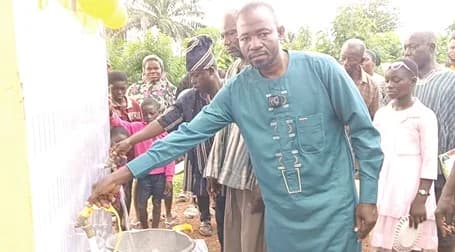
Residents of Lesseni, Kojobone, and Kabonwuli in the Kpandai District have gained access to safe drinking water following the completion of three newly mechanized water systems. The project, executed by Koddeg Construction Ghana Limited, represents a critical intervention in a region where community members have historically struggled with acute water shortages. By transitioning from unsafe, contaminated sources to treated, reliable water, the initiative aims to drastically reduce the prevalence of waterborne diseases and improve the overall well-being of the rural population.
The construction of these systems was a swift undertaking, commencing in April and reaching completion by July. To ensure sustainability and reliability, the mechanized systems incorporate modern technology, including a hybrid power source. This design is intended to provide a consistent supply of potable water, mitigating the impact of potential power outages or fluctuations that often hinder rural infrastructure. The technical upgrade is expected to serve as a model for future water projects within the district.
District Chief Executive (DCE) Haruna Abdul-Karim emphasized that the provision of potable water is a fundamental requirement for both public health and sustainable economic growth. Beyond the immediate health benefits, the DCE noted that the improved access would bolster sanitation efforts and support local education and farming activities. By reducing the time and physical burden of fetching water from distant sources, the new systems are anticipated to increase school attendance and productivity for residents in the beneficiary communities.
This infrastructure investment marks a significant step toward addressing long-standing developmental challenges in the Kpandai District. Moving forward, the Assembly has signaled its commitment to maintaining these systems and expanding similar initiatives to other underserved areas. The completion of these mechanized systems aligns with broader national goals to achieve universal access to clean water, ensuring that even the most remote communities are not left behind in Ghana’s development agenda.
