••
Madagascar activists demand water and electricity reforms from military rulers
•2 min read•1 source
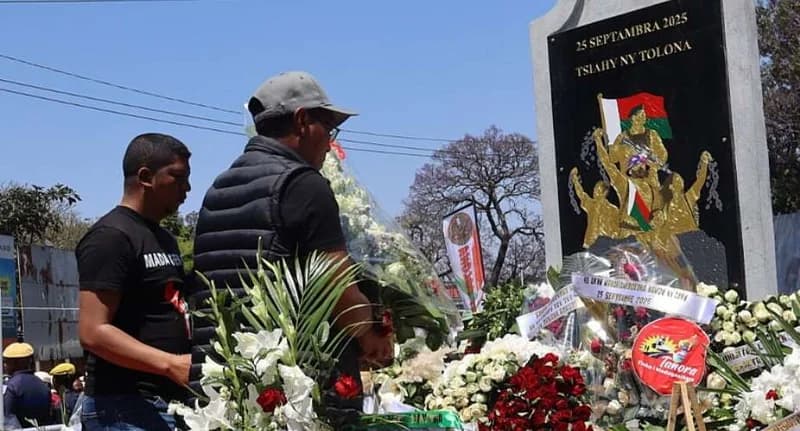
Madagascar's young activists are expressing profound dissatisfaction with the slow pace of reform one year after the mass protests that led to the ouster of former President Andry Rajoelina. Despite the installation of a military government led by Colonel Michael Randrianirina on 12 October 2025, persistent issues such as chronic water and electricity shortages continue to plague the island nation. The Gen Z protesters, who were instrumental in the 18 days of demonstrations that ended the previous administration, now claim that the promised changes to essential services have failed to materialize.
Under the current military leadership, the government has set a transitional roadmap that includes the drafting of a new constitution by May 2026. However, this timeline has done little to soothe public frustration, as national elections are not scheduled to take place until late 2027. While the military maintains that these steps are necessary to ensure stability and legal reform, activists argue that the immediate needs of the population are being ignored in favor of political maneuvering.
The political landscape in Madagascar has shifted significantly since the transition. Former President Rajoelina remains in exile, reportedly seeking support from other African leaders to regain his standing. However, his influence at home appears to have diminished sharply, with the majority of his former political allies having abandoned him. As the military government consolidates its control, the pressure from the youth movement suggests that the administration must address these persistent utility shortages to avoid a resurgence of the unrest that defined the previous year.


