••
Madagascar activists demand basic services from military government
•2 min read•1 source
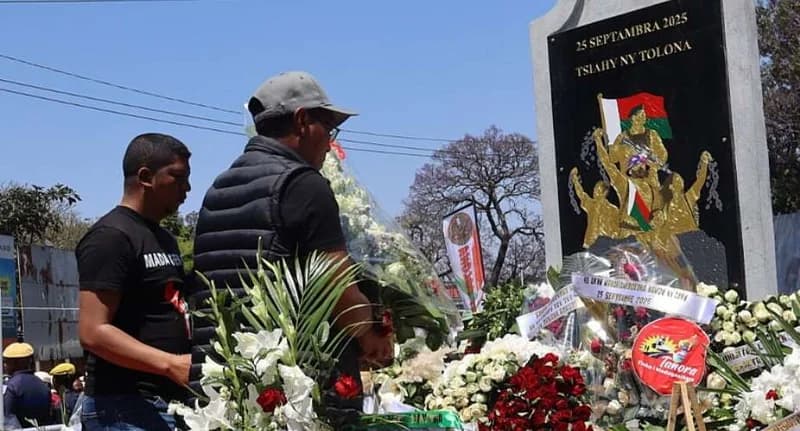
Young activists in Madagascar are expressing growing frustration over the military government's failure to deliver on promised reforms, one year after the ousting of President Andry Rajoelina. Following eighteen days of intense demonstrations, Rajoelina resigned on 12 October 2025, leading to the installation of Colonel Michael Randrianirina as the leader of a transitional military regime. However, the initial optimism that greeted the change in leadership has diminished as the nation continues to struggle with severe infrastructure and service delivery challenges.
The core of the dissatisfaction lies in the persistent and crippling shortages of essential services, specifically water and electricity. Despite the change in administration, activists—many of whom belong to the Gen Z demographic that spearheaded the 2025 protests—report that little has improved in the daily lives of Malagasy citizens. The military government's focus on political restructuring has, according to critics, come at the expense of addressing the immediate humanitarian and economic needs of the population.
While the government has focused on its political roadmap, the timeline for a return to democratic rule remains distant. The military regime has pledged to draft a new constitution by May 2026, with national elections not expected until late 2027. This extended transition period has raised concerns among civil society groups about the military's long-term intentions. Meanwhile, the political landscape has shifted dramatically; most of Rajoelina’s former allies have abandoned him, leaving the former president in exile where he is reportedly seeking support from other African leaders to regain his standing.
As the country marks the first anniversary of the transition, the pressure on Colonel Randrianirina’s administration to provide tangible results is intensifying. The activists who once filled the streets to demand Rajoelina’s exit are now warning that the same energy could be turned against the current military leadership if basic amenities and economic stability are not prioritized. The coming months will be critical as the government attempts to balance its constitutional reform agenda with the urgent demand for functional public services.


