••
John Dramani Mahama pledges $10bn investment for New Economy Policy
•2 min read•2 sources
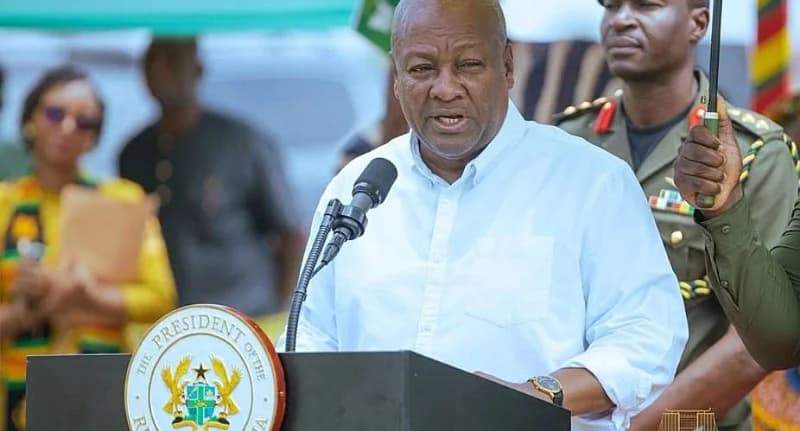
President John Dramani Mahama has unveiled a $10 billion investment plan over the next five years to drive job creation and industrial expansion under the government's New Economy Policy. The initiative involves an annual injection of $2 billion into strategic sectors, including agriculture, pharmaceuticals, textiles, and tourism. Crucially, the President emphasized that this massive financial commitment will be funded entirely through domestic resources, avoiding additional external borrowing to maintain fiscal discipline.
Speaking on the nation's economic trajectory since his inauguration in January 2025, President Mahama noted that the International Monetary Fund (IMF) projects a growth rate of 5.7% for the country. The New Economy Policy is designed to capitalize on this recovery by stabilizing the macroeconomy and reducing interest rates. By creating a more favorable lending environment, the administration aims to empower the private sector to lead the charge in industrialization and reduce Ghana's long-standing dependence on imports.
The investment strategy is already manifesting in tangible projects, particularly within the manufacturing and construction industries. The President highlighted the development of new infrastructure and a specific textile factory that is expected to provide significant employment opportunities, with a focus on hiring women. These efforts are part of a broader push to revitalize Ghana's local production capacity in high-value areas like pharmaceutical manufacturing, which the government views as essential for sustainable economic independence and long-term employment.
This $10 billion roadmap represents a cornerstone of the Mahama administration's strategy to move beyond traditional debt-fueled growth. By prioritizing domestic financing and focusing on value-added sectors, the government intends to foster a more resilient and self-sufficient economy. As these investments roll out over the five-year period, the administration expects to see a significant reduction in unemployment and a strengthened domestic currency through decreased import demand.
Related topic
John Mahama: Latest News & Updates →

