••
President Mahama’s Capital Relocation Proposal Gains Support as Parliament Approves $500m for National Infrastructure
•3 min read•8 sources
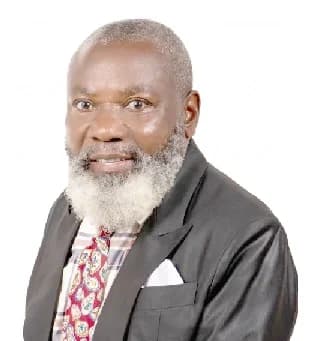
President John Mahama’s proposal to potentially relocate Ghana’s national capital to alleviate pressure on Accra has received significant backing from religious leaders, while Parliament has moved to bolster rural connectivity through a $500 million credit facility. Apostle Abraham Amoh, Chairman of the Christ Apostolic Church (CAC), commended the President’s initiative, stressing that a non-political, consensus-based approach involving Parliament could finally mitigate Accra's chronic flooding and overpopulation issues. Simultaneously, the newly approved funding under the Ghana Market Access and Connectivity Project (GMACP) aims to rehabilitate over 1,000 kilometers of feeder roads across 13 regions, ensuring that farmers can reach markets more effectively and bolstering agricultural development.
In addition to these national-level initiatives, several regional infrastructure projects are progressing under the current administration. In the Central Region, the Ministry of Roads and Highways has cut sod for the Gomoa Akotsi-Kwanyarko road, a project specifically aimed at improving security following a series of armed robberies. Local MPs Desmond De-Graft Paitoo and Queenstar Maame Pokuah Sawyerr lauded the move as a direct response to community safety needs. Meanwhile, in the Bono Region, Minister Joseph Addae Akwaboa has clarified that while water installation relocations have delayed the Sunyani-Abesim dualisation, the project remains a priority with contractors expected to mobilize next month. Additionally, construction for the Sunyani-Baakoniaba inner-city road is slated to begin immediately.
Beyond physical infrastructure, political focus has shifted toward resource sovereignty in the Western Region. The Apinto Divisional Council in Tarkwa is urging the government to transfer ownership of the Tarkwa Mine to a Ghanaian-owned firm when the lease held by Gold Fields Ghana Limited expires in April 2027. Led by Gyasehene Nana Adarkwa Bediako III, the chiefs argue that multinational companies have failed to bridge development gaps in host communities despite years of resource extraction. They are advocating for a new partnership model that prioritizes local equity and addresses environmental degradation, signaling a potential shift in how the state manages its natural resources under President Mahama's leadership.
These domestic developments coincide with a broader call for regional economic unity within Sub-Saharan Africa. During a conference in Accra, Kwame Danquah, President of the Harakatt Munugano (Union Movement), emphasized that deeper African integration is essential for industrialization and global competitiveness. Pointing to the fact that intra-African trade remains low at approximately 15%, Danquah proposed an "integrated African social security framework" to foster investment and protect the continent’s growing youth population. As the government continues to roll out its decentralization and infrastructure agenda, the intersection of local community demands and continental economic strategy will likely define Ghana's political trajectory in the coming years.
Related topic
John Mahama: Latest News & Updates →Live rates
Ghana gold price →

