••
Minister Mahama Ayariga Announces Aayalolo Contra-Flow System and Fixed Schedules to Revolutionize Accra Commutes
•2 min read•4 sources
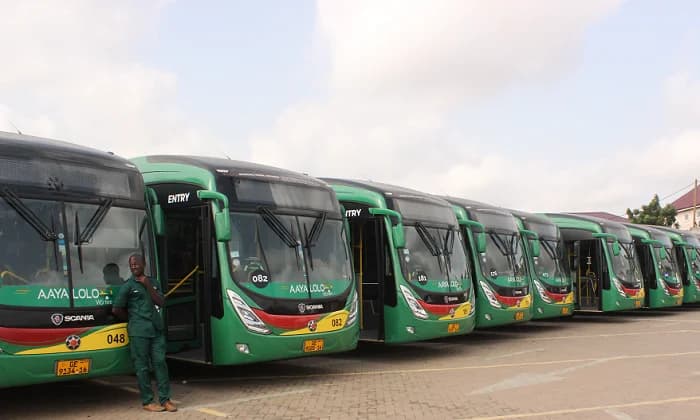
The Government of Ghana has launched a pilot contra-flow arrangement for Aayalolo Bus Rapid Transit (BRT) services, a strategic move aimed at significantly reducing traffic congestion in the Greater Accra Metropolitan Area. Minister for Local Government, Chieftaincy and Religious Affairs, Mahama Ayariga, announced that the initiative, which begins on September 29, 2026, is designed to expedite the movement of high-capacity buses during peak hours. By dedicating specific lanes for BRT use, the government intends to provide a faster and more reliable alternative for thousands of commuters entering the Central Business District.
The new traffic regulations will focus on four critical corridors: Amasaman–Accra, Pokuase–Accra, Adenta–Accra, and Kasoa–Accra. To ensure the success of the contra-flow system, the Ministry is collaborating closely with the Motor Traffic and Transport Department (MTTD) of the Ghana Police Service, the Greater Accra Passenger Transport Executive (GAPTE), and the Department of Urban Roads. The dedicated lanes will be strictly reserved for Aayalolo buses during peak morning hours (6:00 AM to 9:00 AM) and evening hours (4:00 PM to 8:00 PM), effectively barring other vehicles to maintain a steady flow of mass transit.
A central pillar of this expansion is the introduction of fixed departure schedules. Minister Ayariga emphasized that Aayalolo buses will now depart at set times regardless of passenger numbers, a move aimed at improving commuter trust and planning. This strategy specifically targets private motorists and solo drivers, encouraging them to switch from their personal cars to public transport. By offering a comfortable and predictable service, the government hopes to reduce the sheer volume of private vehicles on the road, which is a primary driver of the city’s gridlock.
Addressing concerns regarding the impact on existing commercial transport, Minister Ayariga clarified that the BRT expansion is intended to complement, rather than undermine, traditional trotro operations. The proposed model suggests a clear distribution of roles: Aayalolo buses will prioritize long-distance, high-capacity trips directly into the city center, while trotros will continue to serve their vital role in handling shorter-distance routes and neighborhood connections. This integrated approach seeks to create a more efficient urban transport ecosystem that benefits all stakeholders and improves the overall quality of life for Accra's residents.