••
President Mahama’s Administration Declines MTN’s GH¢20 Million Donation as Transparency Demands Grow Over South Africa Evacuations
•3 min read•11 sources
The Government of Ghana, through the Ministry of Foreign Affairs, has officially declined a GH¢20 million donation from MTN Ghana intended to support citizens affected by recent xenophobic attacks in South Africa. Although MTN Board Chairman Dr. Ishmael Yamson had doubled the initial pledge of GH¢10 million to address the long-term needs of returnees, the Mahama administration maintained that adequate state provisions have already been made for the evacuation and reintegration of affected Ghanaians. The Ministry emphasized its commitment to the welfare of its citizens and the maintenance of a stable business environment, while reiterating that a comprehensive report on the costs of the evacuation exercise will be released once completed.
International relations analyst Dr. Ishmael Hlovor has described the government’s rejection of the funds as a strategic diplomatic maneuver. According to Hlovor, the decision serves to sustain diplomatic pressure on the South African government to address the root causes of xenophobia rather than allowing corporate donations to serve as a form of "back-channel diplomacy" to repair its international image. By declining the offer, Ghana signals that the safety of its citizens cannot be commodified, urging South African authorities and businesses to take more decisive actions against the violence rather than relying on philanthropic gestures.
Domestically, the government's claim of self-sufficiency in funding the evacuations has prompted calls for greater accountability. Nana Asafo-Adjei Ayeh, the Member of Parliament for Bosome-Freho, has filed a Right to Information (RTI) request seeking a detailed breakdown of the expenditure. The MP is requesting information on the total cost of evacuating over 1,600 Ghanaians since May 2026, the specific sources of funding, and the identities of the "Ghanaian partners" the government claimed were involved. The request demands comprehensive documentation, including flight schedules, invoices, and contracts, to ensure transparency in how public and private resources were managed during the crisis.
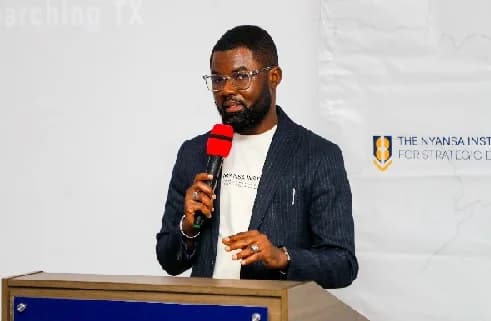
Beyond the tensions with South Africa, Ghana’s broader foreign policy and security landscape remain a point of focus. Roey Gilad, the Israeli Ambassador to Ghana, recently urged the Mahama administration to join global efforts in pressuring Iran to stop destabilizing the Middle East, while also noting the strengthening of bilateral ties through the reopening of Ghana’s Embassy in Tel Aviv. Simultaneously, the Nyansa Institute for Strategic Dialogue has called on Ghana to transition from awareness to active regional leadership in the Sahel, where deepening instability and extremist influences pose a significant threat to national security. These developments highlight a period of intensive diplomatic activity for the country as it navigates both regional crises and international partnerships.
In the realm of regional governance, the Ghana Revenue Authority (GRA) is set to host the West African Tax Administration Forum (WATAF) in Accra from September 15 to 19, 2026. This 8th High-Level Policy Dialogue and 23rd General Assembly will coincide with the forum’s 15th anniversary, bringing together finance ministers and tax experts to discuss digital transformation and revenue mobilization. The event underscores Ghana’s ongoing commitment to regional cooperation and economic stability, even as the government manages the complex political and humanitarian fallout of the xenophobic attacks in the south.
Related topic
Ghana Customs Recruitment: Latest News & Updates →

