••
John Mahama defends Ghana's formal application for BRICS partner status
•2 min read•6 sources
President John Dramani Mahama has defended his Cabinet’s decision to formally apply for partner status with the BRICS bloc, describing the move as a strategic effort to diversify Ghana’s development partnerships. The announcement, which followed a Cabinet meeting on October 6, 2026, has sparked a significant debate over the country’s foreign policy direction and the extent of executive authority in committing the nation to major geopolitical alliances. President Mahama emphasized that the partnership aims to enhance South-South cooperation, with a specific focus on trade, investment, and industrial growth.
Foreign Affairs Minister Samuel Okudzeto Ablakwa, supporting the President’s stance, clarified that the government is seeking "partner status" rather than full membership. Speaking on JoyNews’ Newsfile, Ablakwa argued that this approach aligns with the independent foreign policy tradition established by Ghana’s first president, Dr. Kwame Nkrumah, and the Non-Aligned Movement. He dismissed concerns regarding potential friction with the United States, pointing out that even Western powers engage in strategic trade with BRICS nations. Ablakwa asserted that Ghana must maintain the autonomy to pursue beneficial international partnerships driven by national interest.
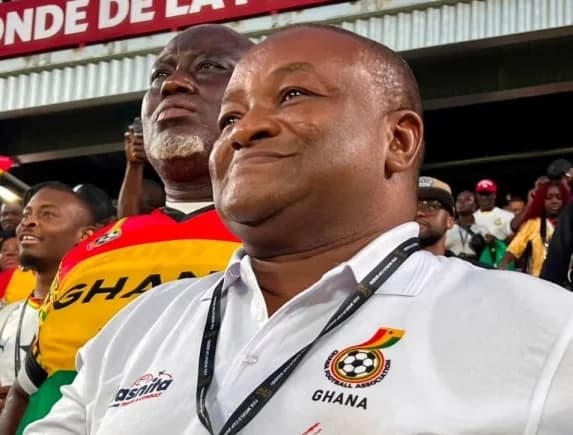
However, the move has met stiff opposition from Hassan Ayariga, the founder and leader of the All People’s Congress (APC), and the Minority in Parliament. In a press statement issued on October 17, 2026, Ayariga questioned the Cabinet’s authority to make such a consequential decision without broad public and parliamentary consultation. Citing Article 1(1) of the 1992 Constitution, he asserted that sovereignty belongs to the citizens and that major international agreements must involve the people’s representatives to ensure transparency and accountability.
The Minority in Parliament has joined the call for transparency, demanding a formal briefing on the implications of the BRICS application. They have expressed concerns about the potential geopolitical impact on Ghana's existing international relations and the long-term obligations of the partnership. While the government maintains that the partnership will supplement rather than replace relationships with traditional partners, critics insist that any formal move toward the bloc requires comprehensive parliamentary oversight and public engagement to protect the national interest.
Related topic
John Mahama: Latest News & Updates →

