••
President John Mahama Dissolves Nine SOE Boards Amidst Calls for Transparency and Governance Reforms
•3 min read•7 sources
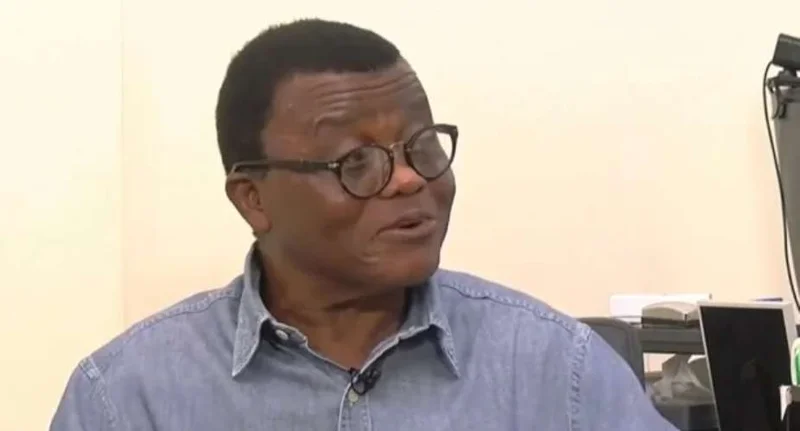
President John Mahama has dissolved the governing boards of nine state-owned enterprises (SOEs), a significant move announced on September 2, 2026, by Felix Kwakye Ofosu. The decision impacts critical national entities, including the Ghana National Petroleum Corporation (GNPC), Bulk Energy Storage and Transportation (BOST), and Prestea Sankofa Gold Limited. While the presidency has not officially articulated the specific reasons for the shake-up, the action has triggered a broad national debate among governance experts, policy analysts, and political figures regarding the exercise of executive authority and the need for transparency in state institutions.
Governance experts and political commentators have offered varying interpretations of the President's decision. Professor Baffour Agyeman-Duah suggested that the dissolutions signal President Mahama’s commitment to enacting the significant changes necessary to fulfill his current mandate, noting that motivations likely extend beyond the mere financial performance of the affected institutions. Similarly, Kofi Bentil, Vice President of IMANI Africa, defended the President’s legal authority to dissolve the boards but cautioned that future administrations should exercise restraint with such sweeping powers. From the political sphere, Dennis Miracles Aboagye of the Bawumia Campaign argued the decision was justified due to a perceived lack of impact and internal disputes within the boards, urging the public to prioritize results over political conflict.
Despite these justifications, the move has faced criticism for a lack of clear communication. Policy analyst Senyo Hosi expressed concern on TV3’s The Key Points, arguing that the absence of specific reasons for the dissolutions is not in the best interest of the country's governance standards. Conversely, Akwatia MP Bernard Bediako Baidoo defended the administration, insisting that the board shake-up should not be linked to allegations of indiscipline or misconduct. Baidoo maintained that the President is simply exercising his rightful authority to realign leadership with his administration's strategic goals and cautioned against reading into the changes as a punitive measure.
Alongside these administrative changes, the government is also moving to decentralize mineral resource management with the inauguration of a new Minerals Commission regional office in Kumasi. The seven-storey facility, which includes a specialized laboratory for mineral testing and a museum for public education, is designed to serve the middle belt of Ghana, including the Bono and Ahafo regions. Deputy Minister Yusif Sulemana highlighted that this expansion is a direct response to the challenges of centralizing services in Accra, aiming to improve accessibility and governance within the mining sector.
The dissolution of these SOE boards and the expansion of the Minerals Commission mark a period of active restructuring under the Mahama administration. As new boards are expected to be constituted, the focus remains on whether these leadership changes will lead to improved efficiency and accountability in Ghana's state enterprises. The ongoing debate highlights a critical tension between the President's mandate to reorganize the government and the public's demand for transparent, reason-based administrative decisions.
Related topic
John Mahama: Latest News & Updates →Live rates
Ghana gold price →

