••
Mahama Administration Extends Diesel Subsidies to Stabilize Fuel Prices Below GH¢20
•2 min read•10 sources
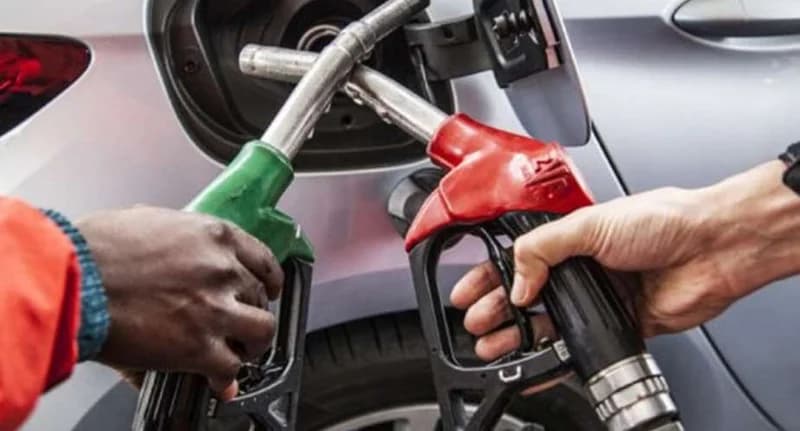
The government of Ghana has moved to mitigate the impact of rising global energy costs by extending a GH¢2-per-litre subsidy on diesel for the October and November 2026 pricing windows. National Petroleum Authority (NPA) CEO Godwin Edudzi Tamakloe confirmed that without this strategic intervention, diesel prices were projected to soar to as high as GH¢22 per litre. Under the new directive, the administration aims to keep diesel prices at the pump below the GH¢20 threshold, providing critical relief to motorists, transport operators, and businesses that rely heavily on the fuel for their operations.
The financing of this relief marks a shift in the "burden-sharing" framework established earlier this year. The total GH¢2 reduction will now be split equally: GH¢1 will be absorbed through the temporary suspension of the Energy Sector Shortfall and Debt Repayment Levy (D-Levy), while the remaining GH¢1 will be covered by a reduction in industry statutory margins. This marks the fourth consecutive intervention since August, reflecting the government's effort to balance fiscal responsibility with consumer protection as international crude oil prices remain volatile due to ongoing geopolitical tensions in Eastern Europe and the Middle East.
Market analysts from the Chamber of Petroleum Consumers (COPEC) and the Chamber of Oil Marketing Companies (COMAC) had previously forecasted significant price hikes driven by a depreciation of the cedi and rising international benchmarks. Specifically, COMAC projected that petrol could rise to GH¢17.91 per litre and diesel to GH¢19.60 per litre. In response to the government's measures, major Oil Marketing Companies (OMCs) such as GOIL PLC and Star Oil have pledged to maintain current price levels for the start of the October window, further cushioning the public from the anticipated 22.91% surge in diesel costs.
While the subsidy extension offers immediate relief, the government is simultaneously reviewing its broader energy support strategy following a recent 8% increase in public transport fares. Government spokesperson Felix Kwakye Ofosu noted that the review would assess the long-term sustainability of diesel relief and whether similar actions are necessary for petrol consumers. As the National Petroleum Authority adjusts price floors to reflect current economic realities, the administration remains focused on navigating the dual pressures of a depreciating currency and high global oil prices to maintain domestic economic stability.
Live rates
Dollar to cedi rate →