••
President Mahama Administration Proposes Sweeping Constitutional Reforms to Transform Ghana's Democracy
•2 min read•4 sources
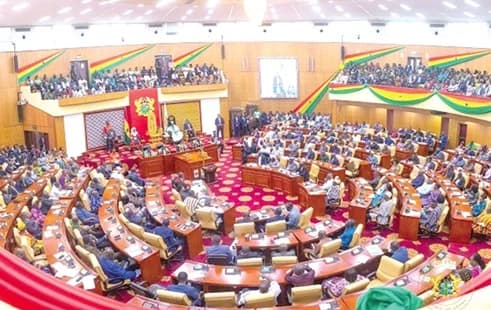
The Ghanaian government, currently led by President John Mahama, has introduced a comprehensive constitutional reform package aimed at evolving the nation from an electoral democracy into a developmental one. Presented by Attorney-General Dr. Dominic Akuritinga Ayine, the proposal includes 206 amendments, most notably the extension of the presidential term from four to five years and a reduction in the minimum age for presidential candidates to 35. These changes are designed to enhance long-term planning and inclusivity, although they have immediately become the subject of intense national debate regarding their impact on governance and stability. Complementing these executive changes, Speaker of Parliament Alban Bagbin has called for the formal inclusion of traditional and religious leaders within the parliamentary framework. Bagbin argues that the moral authority and grassroots legitimacy of these figures are essential to combatting political monetization and restoring public trust in the legislature. While this move seeks to reduce partisanship, it has faced criticism from those who believe such inclusion could compromise the separation of powers and the principles of democratic representation. Additionally, the government has proposed a 300-member cap on Parliament and the removal of the ban on dual citizens holding parliamentary office. The proposal to extend the presidential term has met significant resistance from civil society and the opposition. Dr. Jonathan Asante-Otchere of the African Institute of Strategic Studies argued that the quality of leadership is more vital than term length, warning that a five-year term could prolong the tenure of bad presidents. Simultaneously, the New Patriotic Party (NPP) has expressed deep suspicion, with National Organiser Henry Nana Boakye accusing President Mahama of pursuing a veiled third-term agenda. This centers on a legal challenge regarding Article 66 and whether Mahama, currently in his second non-consecutive term, could contest the 2028 elections—a claim the President has explicitly denied. As Ghana moves toward a planned 2027 referendum on these issues, the legislative process will begin with the submission of Constitutional Amendment Bills to Parliament. Other proposed reforms include the taxation of the President, fixed election dates, and the election of District Chief Executives. The coming months will be critical as the nation weighs the benefits of these structural changes against fears of power consolidation, with the ultimate goal of creating a more resilient and representative democratic system.
Related topic
NPP (New Patriotic Party): Latest News →

