••
President Mahama Directs Release of 50,000 Grain Bags to ECOWAS as Ghana Records Agricultural Surplus
•2 min read•6 sources
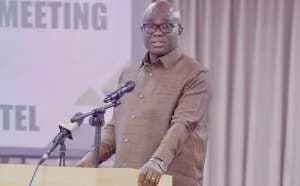
President John Mahama has instructed the National Food Buffer Stock Company (NAFCO) to release 50,000 bags of grain to fulfill Ghana’s outstanding obligations to ECOWAS. This directive addresses a 2018 borrowing arrangement intended to support the School Feeding Programme. Minister of Food and Agriculture, Eric Opoku, highlighted that the country is well-positioned to settle this debt following a significant boost in domestic production. In 2025, Ghana produced 4.6 million tonnes of maize, creating a substantial surplus that exceeds national demand and reinforces the country's food security position within the sub-region.
Accompanying this production milestone is a notable turnaround in NAFCO’s financial health. The company shifted from a net loss of 19 billion cedis in 2024 to a net profit of 91.7 billion cedis in 2025. CEO George Abradu-Otoo attributed this success to enhanced management practices and operational efficiencies. To sustain this momentum, the government is pursuing efforts to establish food storage facilities in every district, ensuring that the current 20,433 metric tonnes of grain in storage can be expanded and managed effectively across the country.
While the agricultural sector sees growth, the administration faces criticism over public transport and commodity pricing. Dr. Joshua Jebuntie Zaato, a Senior Fellow at Africa Policy Lens, has questioned why 100 buses imported from Egypt remain idle while commuters face an 8% increase in transport fares. Dr. Zaato emphasized the necessity of mass public transport for economic stability and urged the immediate deployment of the fleet. Similarly, the government’s recent adjustment of the cocoa producer price to GH¢42,400 per tonne for the 2026/2027 season has met resistance. Minority Chief Whip Frank Annoh-Dompreh described the increase as a failure to meet farmers' expectations, claiming the hike does not reflect the true value of the farmers' labor.
At the local government level, efforts to instill discipline and urban order are gaining traction in Kumasi. Since taking office in April 2025, Mayor King Zuba has spearheaded a campaign to remove unauthorized structures, clear drains, and install solar streetlights to improve safety. Although the city continues to struggle with traffic and littering, there is growing recognition of the Mayor’s commitment to enforcing regulations. These diverse developments in agriculture, transport, and local governance illustrate the complex landscape the Mahama administration is navigating as it seeks to balance international obligations with domestic service delivery.
Related topic
John Mahama: Latest News & Updates →

