••
President Mahama Directs National Roadmap on Online Hate Speech as Gender Ministry Targets Affirmative Action Implementation
•3 min read•9 sources
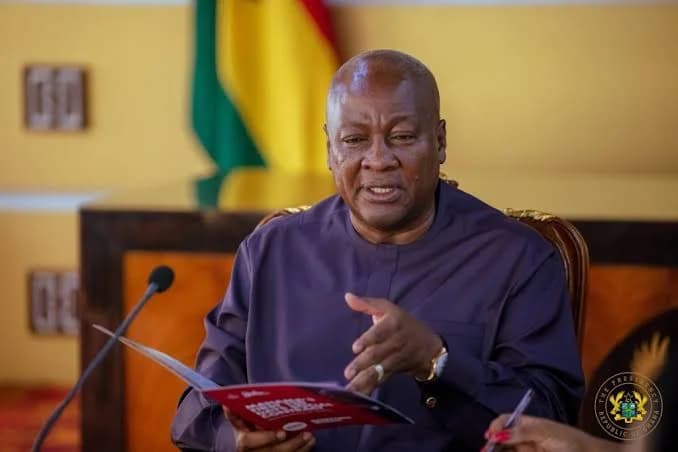
President John Dramani Mahama has initiated a major national effort to address the rising prevalence of hate speech and abusive digital content in Ghana. In a directive issued through the Secretary to the President, Dr. Callistus Mahama, the President mandated the Media Foundation for West Africa (MFWA) and the Ghana Journalists Association (GJA) to lead a comprehensive national stakeholder engagement. This initiative is designed to produce a national roadmap for responsible digital communication, aiming to curb harmful online behavior while strictly safeguarding the constitutional right to freedom of expression. The move comes as social media's influence on public discourse continues to grow, often driven by influencers and content creators operating outside traditional editorial standards.
Central to this directive is the President's concern regarding the criminalization of dissent. Dr. Callistus Mahama described recent arrests of individuals for politically charged commentary as "disproportionate" and "regressive." The upcoming national dialogue will involve a broad coalition of stakeholders—including the National Media Commission, the Ghana Police Service, civil society organizations, and legal experts—to review Ghana's existing legal frameworks. The goal is to establish clear guidelines that differentiate between lawful criticism and unlawful speech, emphasizing education, ethical standards, and non-punitive alternatives for non-violent online offenses.
Simultaneously, the administration is focusing on domestic social reform through the Ministry of Gender, Children and Social Protection. Sector Minister Dr. Agnes Naa Momo Lartey has challenged women in the media to take a leading role in the implementation of the Affirmative Action (Gender Equity) Act, 2024. During a recent workshop in Accra, Dr. Lartey and Dr. Charity Binka of the African Women Leaders Network emphasized that the law must translate into tangible societal shifts. A key objective under this Act is to achieve at least 30% women’s representation in decision-making and leadership roles by 2026, ensuring that the legislation provides real benefits for women and girls across the country.
These domestic policy shifts reflect a broader global struggle with digital discourse and media independence, mirrored in recent international reports of media bans in the United States and political bullying on social media in Nigeria. As President Mahama prepares for Ghana's upcoming chairmanship of the African Union (AU), his administration is positioning these reforms as essential to strengthening democratic institutions. The MFWA and GJA are expected to submit their proposed framework and timetable for the hate speech engagement shortly, marking a critical step toward balancing accountability with civil liberties in the digital age.
Related topic
John Mahama: Latest News & Updates →

