••
Ghana Accelerates Sustainability Agenda with Blue Economy Launch, Wildlife Closed Season, and Nationwide Youth Clean-Up
•2 min read•4 sources
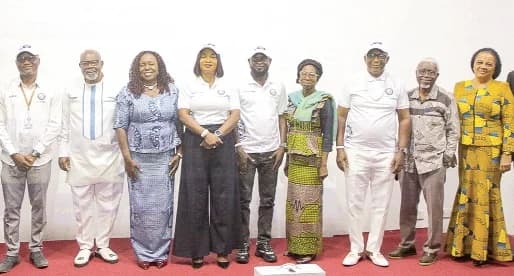
Under the administration of President John Mahama, Ghana is witnessing a significant surge in environmental and economic sustainability efforts as several national initiatives converge to protect the country's natural resources and boost livelihoods. At the center of this transformation is the launch of the 'Ghana Blue Economy and Fisheries Transformation Initiatives (BEFTIG)' in Accra. This strategic program aims to turn the fisheries sector into a primary investment driver, targeting the creation of one million jobs. By establishing marine industrial parks for affordable vessels and providing first aid kits to 1,000 canoes, the BEFTIG initiative seeks to address the decline in fish stocks and illegal fishing while empowering women and youth within the value chain. Stakeholders, including the national fisheries association, have emphasized the need for this revitalization to ensure the sector remains competitive alongside the oil and gas industry. Parallel to these economic reforms, the Wildlife Division of the Forestry Commission has enforced a 'closed season' for hunting from August 1 to December 1, 2026. Under the theme 'Protect Wildlife, Preserve Life,' the ban prohibits the hunting of all wild animals except for the grasscutter (Akrantie). To ensure compliance, the Division has established a toll-free hotline and warned that violators face rigorous penalties, including fines of up to 500 penalty units and imprisonment of up to two years. This conservation drive is further supported by the National Youth Authority (NYA), which is mobilizing young citizens for a nationwide Youth Clean-Up Exercise Festival on August 1. NYA CEO Osman Abdulai Ayariga described the exercise as a vital means to foster civic responsibility and enhance national development through community cleanliness. In a significant move for urban sanitation and labor rights, Ghana’s informal waste pickers and recyclers have also established a National Union, officially launched on July 31, 2026. The union aims to provide a unified voice for informal workers who play a crucial role in preventing flooding by managing waste blockages in drainage systems across all 16 regions. Project Coordinator Wendy Elorm Amankwa stressed that formal recognition and government support for these workers are essential for a cleaner, more resilient Ghana. Collectively, these actions—ranging from maritime investment to strict wildlife laws and youth-led sanitation—represent a holistic approach to securing the nation's ecological and economic future.
Related topic
John Mahama: Latest News & Updates →
