••
President Mahama Targets 90% NHIS Coverage and Enhanced AI Regulation at African Medical Councils Conference
•3 min read•6 sources
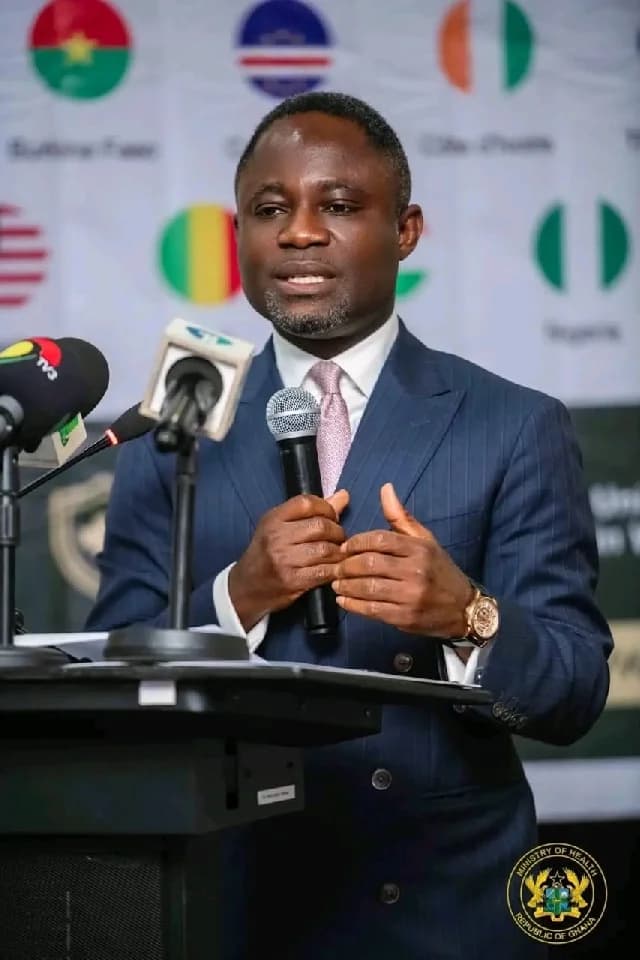
President John Dramani Mahama has outlined a comprehensive vision for Ghana's healthcare future, centering on the expansion of the National Health Insurance Scheme (NHIS) and the robust regulation of digital health technologies. Speaking at the 28th Annual Scientific Conference of the Association of Medical Councils of Africa (AMCOA) in Accra on August 24, 2026, the President announced a target to increase NHIS coverage from its current 76% to 90%. This ambitious goal is part of a broader reform package intended to ensure that universal health coverage (UHC) in Ghana and across the continent is defined not only by accessibility but by high standards of safety, equity, and sustainability. President Mahama highlighted that his administration has already successfully rolled out a free primary healthcare program in 160 out of 260 districts, specifically targeting underserved rural communities. To support those with long-term medical needs, he also unveiled the Ghana Medical Trust Fund, designed to provide financial assistance to patients suffering from chronic diseases. A key pillar of this strategy is the pursuit of health sovereignty, with the President calling for a focused effort to achieve 70% local medicine production within the next five years to reduce dependency on imported pharmaceuticals. A significant portion of the President's address focused on the rapid evolution of technology in the medical sector. While acknowledging the potential of telemedicine and electronic medical records to bridge gaps in care, Mahama issued a stern warning regarding the risks of artificial intelligence (AI) and digital healthcare. He urged African regulators to ensure that AI complements rather than replaces human medical judgment. Recalling a previous incident in Ghana where a digital records system failure necessitated a return to paper documentation, the President emphasized the need for rigorous safeguards and African participation in developing health technologies that reflect local demographics and realities. The conference also featured contributions from other key health leaders, including the Minister for Health, Kwabena Mintah Akandoh, and the Registrar of the Medical and Dental Council of Ghana, Dr. Divine N. Banyubala. Minister Akandoh urged regulators to enhance the speed and reach of healthcare oversight to prevent poor regulation from harming citizens. Dr. Banyubala reinforced the Registrar's commitment to public interest, noting that professional regulation is foundational to the President's free primary healthcare policy. Together, the leaders addressed regional challenges such as the migration of the health workforce, the rise of fraudulent medical qualifications, and the necessity of a "One Health" approach to manage future pandemic threats. President Mahama concluded by stressing that public trust and accountability are the essential components of a successful healthcare system. By integrating robust regulation into Africa’s health security framework, he argued that the continent can better prepare for future emergencies while maintaining citizen confidence. The conference, which brought together over 350 delegates from 35 regulatory authorities, serves as a platform for developing actionable policies that prioritize patient protection in an increasingly digital world.
Related topic
John Mahama: Latest News & Updates →