••
President Mahama Proposes Stakeholder Forum on Social Media Regulation During New York Engagements
•3 min read•9 sources
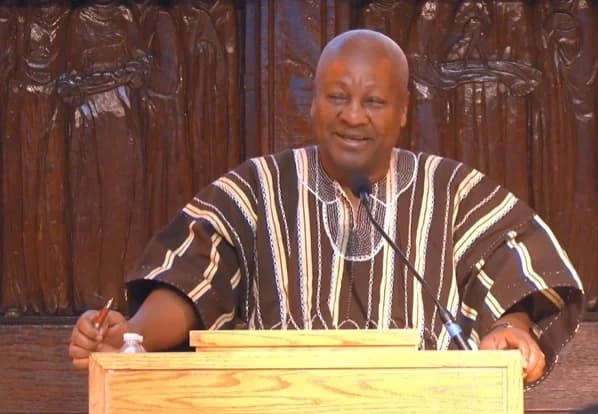
President John Dramani Mahama has concluded a series of high-level diplomatic and community engagements in New York, centering on Ghana's digital future, economic recovery, and the restitution of African cultural heritage. Speaking at a town hall meeting with the Ghanaian diaspora from the Tri-State area, the President addressed the growing concerns over misinformation and the use of social media platforms like TikTok to spread insults. To address these challenges, President Mahama proposed the convention of a national stakeholder forum involving the Ghana Journalists Association (GJA) and the Media Foundation for West Africa (MFWA). He emphasized the need for a balanced regulatory framework that protects freedom of expression while establishing clear guidelines against harmful content and reputation damage.
The President's call for dialogue comes amid public debate sparked by the arrest of Senior Nursing Officer Salomey Awity Bafoh for allegedly spreading false information online, an incident that prompted protests by Ghanaians abroad near the UN Headquarters. Addressing the arrests during the town hall, President Mahama stated that he often learns about such incidents through social media rather than official channels. He maintained that while he has developed a "crocodile skin" to endure personal insults after years of public service, there is a vital national interest in distinguishing between legitimate, lawful criticism and malicious misinformation that can destabilize social cohesion. Legal experts, including lawyer Bobby Banson, have echoed these concerns, noting that the misuse of free speech to destroy reputations is an unacceptable trend that requires firm resolution.
On the international stage, President Mahama delivered a powerful plea at the UN for the return of African artifacts and human remains currently held by foreign nations. He argued that human remains should never be treated as "collectibles" and called for a structured global system for restitution based on dignity and moral justice. He urged the international community to move beyond isolated acts of goodwill toward a more comprehensive approach that allows future generations of Africans to inherit a narrative of cultural triumph rather than loss. This push for cultural justice was complemented by administrative discussions, as Minister Dr. Agnes Naa Momo Lartey met with UNICEF officials to discuss enhancing protection systems for vulnerable children and adolescent girls, focusing on birth registration and the financing of social protection programs.
First Lady Lordina Dramani Mahama also contributed to the diplomatic mission by advocating for continental prosperity at an Organization of African First Ladies for Development (OAFLAD) event. She urged African leaders and global partners to increase investments in healthcare, education, and women’s economic empowerment, highlighting the necessity of resilient healthcare systems for every mother and child. Collectively, these engagements highlight the Mahama administration's efforts to balance domestic concerns—such as digital media regulation and diaspora relations—with a robust international agenda focused on justice, economic empowerment, and the protection of Ghana's cultural and human capital. The proposed stakeholder forum on media regulation is expected to be a significant next step in navigating the complexities of the digital age in Ghana.
Related topic
John Mahama: Latest News & Updates →

