••
Malawi faces severe two-week fuel shortage disrupting transport
•2 min read•1 source
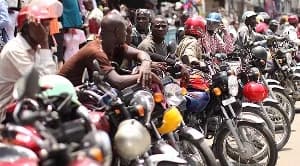
Malawi is currently grappling with a severe fuel shortage that has entered its second consecutive week, paralyzing key sectors of the economy and causing widespread distress among citizens. The crisis has left motorists stranded and significantly disrupted the movement of goods and services across the nation. With supplies dwindling at major distribution points, energy regulators and government officials are under increasing pressure to address the bottleneck and restore normalcy to the petroleum supply chain as uncertainty grows among the public.
The scarcity has manifested in visible ways, most notably through the appearance of long, winding queues at filling stations in major urban centers and rural districts alike. Many motorists report spending hours, and in some instances entire nights, parked at petrol stations in hopes of securing even limited quantities of fuel. This persistent shortage has caused a ripple effect in the transport sector, where public transport operators have been forced to either reduce their fleets or increase fares to account for the time lost in queues and the difficulty of procuring petrol and diesel.
As the situation continues, the broader economic implications are becoming more pronounced. The lack of a clear timeline for the restoration of regular fuel supplies has hindered planning for businesses that rely on consistent logistics. Local industries that depend on fuel for generators and distribution are reporting slowed operations, leading to fears of potential price hikes for essential commodities. For now, the Malawian public continues to navigate these daily challenges while awaiting official action to stabilize the energy market and ensure a consistent supply of petroleum products.