••
Malawi experiences severe fuel shortage for two weeks
•2 min read•1 source
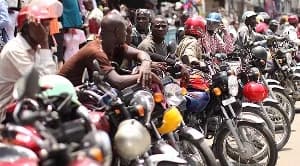
Malawi is currently grappling with a severe fuel crisis that has persisted for two consecutive weeks, causing significant paralysis across the country's transportation networks and daily economic activities. The shortage has left petrol stations across the nation dry, with the few facilities receiving supplies becoming flashpoints for long, winding queues of frustrated motorists. The situation has created an atmosphere of anxiety as the scarcity shows no immediate signs of resolution.
The persistent lack of petrol and diesel has forced many vehicle owners to spend hours, and in some cases entire nights, at filling stations in hopes of securing even a few liters. This disruption has had a ripple effect on the broader economy, as public transport services have become increasingly unreliable and expensive, making it difficult for workers and students to reach their destinations. Small businesses that rely on fuel for generators or delivery services are also reporting significant operational challenges due to the supply gap.
Despite the mounting pressure on the Malawian government to address the scarcity, there remains a palpable sense of uncertainty regarding when regular supplies will be restored. Government officials have yet to provide a definitive timeline for the stabilization of the fuel market, leaving citizens to navigate a landscape of scarcity and unpredictable availability. The current situation highlights ongoing vulnerabilities in the nation's energy supply chain and its susceptibility to logistical or financial shocks.
As the crisis enters its third week, the social and economic toll on Malawians continues to rise. Observers are closely watching for a comprehensive response from the authorities to secure the necessary arrangements required to replenish national stocks and stabilize the distribution network. For now, the sight of empty pumps and stranded vehicles remains a stark reminder of the energy challenges facing the nation.