••
Fatima Ezzahra El Mansouri leads Morocco's first female-headed government
•2 min read•1 source
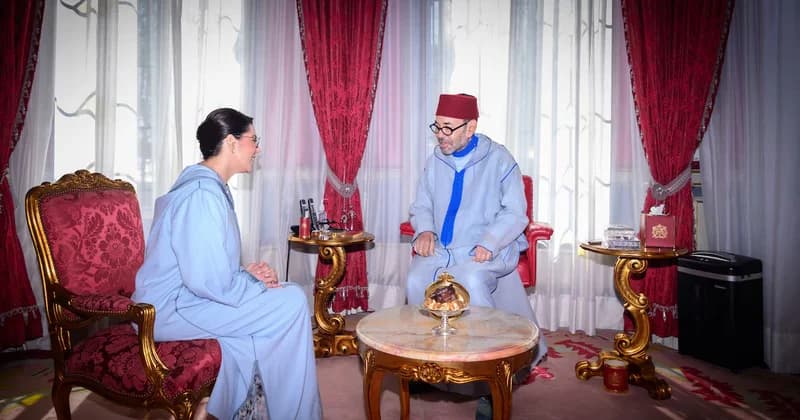
Morocco’s centrist Authenticity and Modernity Party (PAM) has secured a coalition agreement with three other political groups to form a new government. This development follows last month's parliamentary elections, where the party emerged with a significant mandate. PAM leader Fatima Ezzahra El Mansouri is now set to make history as the country’s first female head of government, marking a transformative moment for Moroccan politics.
The new coalition includes moderate socialist parties and the nationalist Istiqlal party, bringing together a combined total of 207 seats in the Moroccan parliament. This comfortably exceeds the 198-seat threshold required to command a majority. By aligning with these diverse political factions, the PAM aims to provide a stable administration capable of addressing the socioeconomic challenges currently facing the North African nation.
Addressing the needs of Morocco's younger population is a primary focus for the incoming administration. The coalition has pledged to prioritize job creation to combat youth unemployment, alongside improvements in education and health services. These areas have been central to recent societal grievances, and the new government’s performance is expected to be measured by its ability to deliver tangible results in these critical sectors.
Despite the shift in leadership and the historic nature of El Mansouri’s appointment, analysts suggest that Morocco’s overarching policy direction is unlikely to undergo radical changes. The Moroccan King continues to hold substantial powers in governance, including oversight of key strategic decisions. Consequently, the coalition is expected to operate within the established framework of the monarchy while seeking to implement its promised social and economic reforms.
