••
Fatima Ezzahra El Mansouri appointed as Morocco's first female Prime Minister
•2 min read•1 source
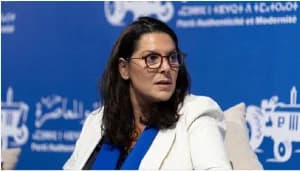
King Mohammed VI of Morocco has formally appointed a new government, marking a historic milestone with the naming of Fatima Ezzahra El Mansouri as the country’s first female Prime Minister. This landmark decision signals a significant shift in the nation's political landscape, breaking long-standing gender barriers at the highest level of executive authority. The appointment follows a period of political negotiation to form a stable administration capable of addressing the kingdom's legislative and economic priorities.
The new government is anchored by a strategic coalition led by El Mansouri’s Authenticity and Modernity Party (PAM). This alliance includes the Istiqlal party along with two smaller left-wing organizations, providing the administration with a functional majority in the legislative chamber. Together, these parties command 210 seats out of the 395-seat parliament, ensuring the new Prime Minister has the necessary support to navigate her policy agenda through the House of Representatives.
Prime Minister El Mansouri brings a wealth of political experience to the role, having previously served as the Mayor of Marrakech. Her leadership of the PAM, a party often associated with modernizing reforms, was a key factor in the coalition's formation. The inclusion of the Istiqlal party—one of Morocco's oldest political entities—and the left-wing partners suggests an effort to balance traditional political interests with a progressive mandate for the incoming administration.
As this new government begins its tenure, the focus will turn to the implementation of socio-economic reforms and the management of regional diplomatic relations. The historic nature of a woman-led government is expected to resonate beyond Morocco’s borders, potentially setting a precedent for female political representation across North Africa and the wider Arab world. The success of this coalition will ultimately be measured by its ability to maintain internal cohesion while delivering on its promises to the Moroccan electorate.