••
Fatima Zahra El Mansouri becomes Morocco's first female prime minister
•2 min read•1 source
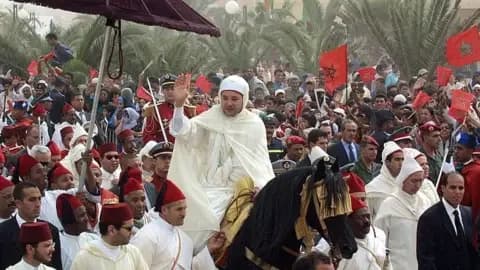
Fatima Zahra El Mansouri has made history as the first woman to be appointed prime minister of Morocco, marking a significant shift in the political landscape of the predominantly Muslim nation. Her appointment is viewed as a major milestone for gender representation in North Africa, signaling potential for progressive change in a country where traditional values often intersect with modern governance. The move has been hailed by many as a breakthrough for women's inclusion in high-level decision-making processes across the Arab world.
However, the appointment has also ignited a fierce debate between reformers and conservative factions. Former Justice Minister Mustafa Ramid and other critics have voiced their reservations, with some citing traditional interpretations of religious texts to suggest that leadership roles are not suitable for women. These conservative perspectives highlight the deep-seated cultural hurdles El Mansouri faces as she attempts to navigate her new role amidst varying societal expectations and resistance from those who view her leadership as a departure from established norms.
Beyond the symbolic nature of her elevation, El Mansouri faces significant institutional constraints that may test her ability to enact meaningful policy changes. While she aims to champion reforms such as equality in inheritance laws and improved education for girls, observers point out that the King retains ultimate authority in Morocco's political system. The monarch's vast powers mean that while El Mansouri can advocate for the modernization of the family code, the pace and extent of such progressive shifts remain largely dependent on the throne's approval and the broader political climate in Rabat.