••
Maryam Haji Abdi Guled seeks aid for son injured in suspected US air strike
•2 min read•1 source
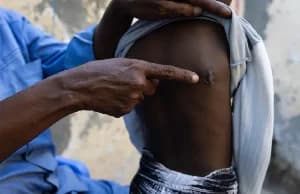
Maryam Haji Abdi Guled, a mother in Somalia, is appealing for urgent assistance for her young son who remains afflicted by a suspected United States airstrike conducted nearly a year ago. The child lives with shrapnel permanently embedded in his body, a situation that has transformed their daily lives into a constant struggle for safety and medical certainty. The incident highlights the enduring civilian toll of aerial operations in the region, where the aftermath of a single strike can leave families grappling with lifelong consequences.
The medical situation is particularly complex, as local doctors have cautioned against any attempt to surgically remove the metal fragment. According to medical assessments, the shrapnel is lodged in a position so delicate that surgical intervention could inadvertently sever nerves or damage the spinal cord, potentially resulting in permanent paralysis. This diagnosis has left Guled in a desperate state, caught between the danger of the shrapnel remaining in her son's body and the life-altering risks of its removal.
In the absence of a safe medical solution, Guled has taken extraordinary measures to protect her son’s well-being. She now accompanies him to school every day, maintaining a constant vigil to ensure he does not engage in rough play or suffer accidental collisions with other children. Her fear is that even a minor physical impact could displace the shrapnel, leading to the very paralysis the doctors hope to avoid. This daily routine underscores the immense psychological and physical burden placed on families caught in the crossfire of international military operations.
The situation facing the Guled family reflects broader concerns regarding the human cost of surging airstrikes in Somalia. While these operations are often aimed at neutralizing militant threats, the stories of injured civilians like Guled’s son often go unheard. As the boy grows, the need for specialized medical consultations and potential long-term care becomes more pressing, prompting his mother’s public call for support from both local and international humanitarian organizations.