••
Mawuko Kuadzi Urges Structural Reforms and Greater Recognition for Casting Directors in Ghana's Film Industry
•2 min read•2 sources
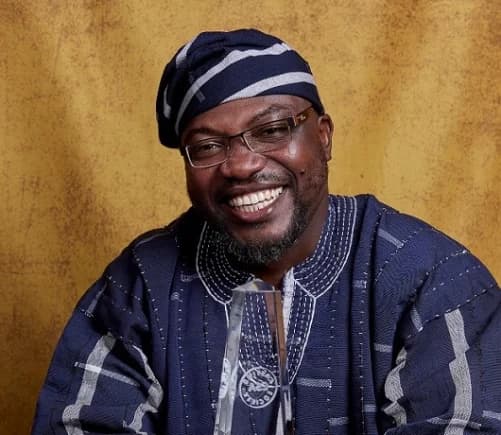
Award-winning casting director Mawuko Kuadzi has highlighted a critical need for structural evolution within Ghana's film industry, asserting that financial injections alone will not solve its systemic challenges. While welcoming the National Film Authority's Film Development Fund, Kuadzi argues that the industry's revival depends on a multifaceted approach involving improved distribution, professional training, and a fundamental shift in how filmmaking is perceived—both as a creative art and a viable business enterprise.
A central point of Kuadzi's critique is the persistent undervaluation of casting directors in the local production landscape. He emphasizes that casting is a strategic and creative pillar of filmmaking that goes far beyond simply selecting actors for roles. According to Kuadzi, the right casting significantly dictates a film's success and international appeal. He advocates for a greater appreciation of these creative contributions, urging the industry to move away from informal practices toward a more professional and integrated ecosystem where every specialized role is respected.
Beyond the creative process, Kuadzi points to significant logistical and infrastructural barriers that stifle profitability for Ghanaian filmmakers. Despite the progress made, he identifies weak distribution networks, a lack of cinema infrastructure, and the pervasive threat of piracy as major hurdles that limit audience access to local content. By comparing Ghana's current state to the thriving success of Nigeria's Nollywood, he suggests that Ghana must adopt innovative distribution methods and foster stronger collaborations among stakeholders to build a sustainable and profitable film economy.
To achieve international success, Kuadzi advises emerging filmmakers to prioritize authenticity and maintain high production standards. He believes that treating filmmaking as a serious business rather than a hobby is the key to attracting the necessary investment and policy support. As the industry looks toward the future, his call to action remains clear: while government funds are a welcome catalyst, the true transformation of Ghanaian cinema will require a collective effort to reform distribution, protect intellectual property, and embrace the professional complexity of modern film production.
