••
McCarthy Hill Residents Protest Waste Hazards as Environmental Experts Demand Urgent Reform of Ghana's Sanitation Sector
•2 min read•2 sources
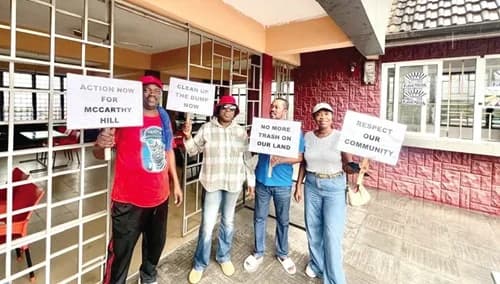
Residents of McCarthy Hill and the local landlords' association have intensified calls for the immediate removal of a former dumping site, citing severe public health risks and environmental degradation. During a recent demonstration, community members expressed frustration over slow remediation efforts and a persistent fly infestation that has compromised the quality of life in the area. Association spokesperson William Quartey emphasized that the stagnant waste poses ongoing risks to the community, particularly as the site is situated within a Ramsar-protected wetland. The residents are demanding that the Weija-Gbawe Municipal Assembly and relevant environmental agencies provide a clear timeline for the full evacuation of refuse and the subsequent restoration of the land.
The crisis at McCarthy Hill highlights a broader systemic failure in waste management across the country, which environmental experts argue is being exacerbated by the rise of informal waste collectors known as 'Aboboya.' Experts including Dr. Juliet Ohemeng Ntiamoah and Dr. Richard Fiadomor are advocating for a ban or stricter regulation of these tricycle operators. They contend that while these informal collectors are popular due to flexible pricing, they often lack the proper equipment for safe disposal, leading to unauthorized dumping in sensitive areas. Dr. Ntiamoah noted that these operators undermine the regulated waste management system and contribute to the very environmental hazards currently plaguing communities like McCarthy Hill.
Addressing these challenges requires a two-pronged approach: immediate local intervention and long-term national policy reform. Residents in McCarthy Hill have requested urgent fumigation to control the fly infestation while the evacuation process is finalized. Concurrently, environmental experts are calling on the government to increase investment in formal waste management infrastructure and to enforce more rigorous oversight of licensed companies. The experts suggest that without a coordinated strategy to integrate or replace informal operators with a functional, well-funded system, Ghana will continue to face recurring issues of illegal dumping, flooding, and public health emergencies.
Ultimately, the situation at McCarthy Hill serves as a microcosm of Ghana's sanitation struggles. The demand for the restoration of Ramsar-protected lands reflects a growing public consciousness regarding environmental preservation and its direct link to health outcomes. As the Weija-Gbawe Municipal Assembly faces pressure to act, the national conversation continues to shift toward whether the 'Aboboya' model is sustainable or if a complete overhaul of the waste collection framework is necessary to protect the nation's environmental future.
This story touches markets covered on Anansi Intelligence ↗.
More from health
Continue exploring similar stories


