••
Breast Cancer Survivor Miriam Ablah Anani Champions Early Detection Amidst Personal Hardships
•2 min read•1 source
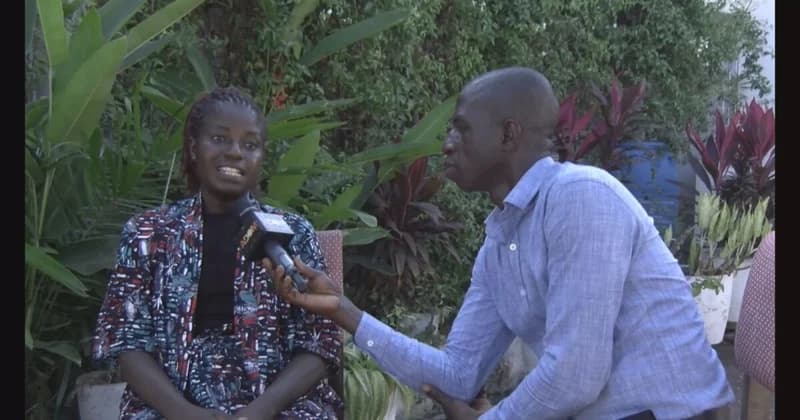
Miriam Ablah Anani, a resilient fashion designer and breast cancer survivor, has come forward to share her harrowing yet inspiring journey from a 2020 diagnosis to recovery. Her story serves as a poignant reminder of the multifaceted challenges women face when battling the disease in Ghana, ranging from the physical toll of treatment to the devastating social consequences of stigma and abandonment. Anani’s narrative is not just one of medical survival but of reclaiming her identity after a period of intense emotional and financial instability. Anani’s path to recovery was initially fraught with obstacles, beginning with a decision to seek herbal treatment before eventually transitioning to professional medical care. Once she entered the clinical system, she underwent a grueling regimen of chemotherapy, surgery, and radiation. These medical hurdles were compounded by personal tragedy when her partner abandoned her during her treatment, leaving her to navigate both the financial burden of her care and the profound emotional weight of isolation. This period of her life highlighted the critical need for robust support systems for women undergoing life-altering health crises. Beyond the physical battle, Anani has become a vocal advocate against the societal stigma surrounding infertility, an issue frequently linked to cancer treatments. She emphasizes that the labels and social pressures placed on women regarding their reproductive health can be as damaging as the disease itself. By breaking her silence, she aims to dismantle the myths that suggest a cancer diagnosis defines a woman’s future or her worth within her community. Her resilience stands as a testament to the strength required to overcome both a life-threatening illness and the judgmental attitudes that often follow. In her ongoing advocacy, Anani urges women across the country to prioritize early detection by consulting healthcare professionals at the first sign of unusual changes. She stresses that early medical intervention is the most effective tool in saving lives and reducing the severity of treatment. Through her story, Anani calls for a more compassionate society that supports survivors through their financial and emotional recovery, ensuring that no woman has to face the daunting prospect of cancer alone or in shame.
