••
Ghanaian Educational Institutions Receive Infrastructure and Welfare Boost from District Assemblies and Private Partners
•3 min read•8 sources
Infrastructure development and basic resource provision have taken center stage in Ghana's education sector as district assemblies and private organizations step in to address long-standing deficits. In the Offinso North District, the assembly has commenced the construction of a six-unit classroom block at Tontokrom to save students from long, hazardous commutes to Akumadan. Similarly, the Moment of Glory Prayer Army (MOGPA) has handed over a fully furnished three-classroom block, an ICT laboratory, and staff offices to Abrafo Kokoben Basic School, moving pupils out of makeshift structures into a modern learning environment. These interventions reflect a growing recognition that physical infrastructure is the foundation of effective learning.
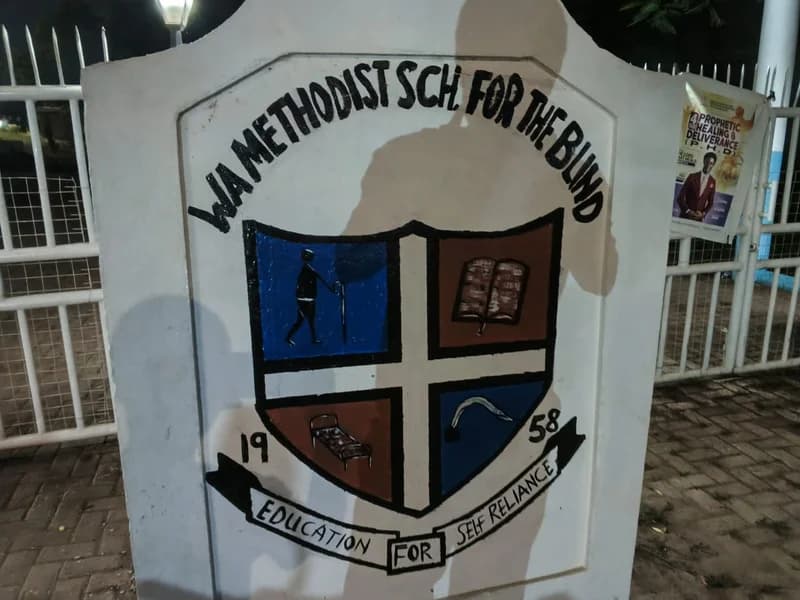
Beyond physical buildings, local authorities and communities are prioritizing student health and nutrition to ensure academic success. The Kpandai District Assembly recently distributed over 200 bags of maize to four boarding schools, including Kpandai Senior High School, to safeguard against food shortages during the lean season. Meanwhile, at the Wa Methodist School for the Blind, parents have taken the proactive step of approving a new health levy and PTA dues—the first such meeting in over a decade—to address inadequate medical supplies and hazardous campus conditions like eroded potholes. These efforts emphasize the shared responsibility between the state and parents in maintaining student welfare.
Innovation and specialized training are also being integrated into the school system to address modern challenges. OmniBSIC Bank, in partnership with CSIR-IIR and the Ocean Tribe Foundation, has launched a plastic recovery initiative across five senior high schools. This project aims to manage the 44,000 pieces of plastic waste generated daily while fostering environmental stewardship and financial literacy among students. On the academic and research front, the University of Media, Arts and Communication (UNIMAC) has highlighted the critical need for better court interpretation training to overcome language barriers that currently hinder justice in Ghana’s multilingual society, showcasing how education intersects with civil rights.
While Ghana focuses on development, the broader African context highlights urgent safety concerns that serve as a cautionary tale. Kenya is currently grappling with a severe crisis, with nearly 50 school fires reported in 2023 attributed to overcrowding and funding shortfalls. On the global stage, education continues to be a tool for historical reckoning, as French President Emmanuel Macron recently pledged continued support for academic research into colonial legacies and the slave trade. Together, these developments underscore a multi-faceted approach to education—balancing the immediate need for classrooms and food with long-term goals of safety, sustainability, and historical understanding.
