••
Interior Minister Muntaka Proposes Mandatory Drug Testing for Public Sector Amid Updates on Election Violence and Vigilantism
•3 min read•20 sources
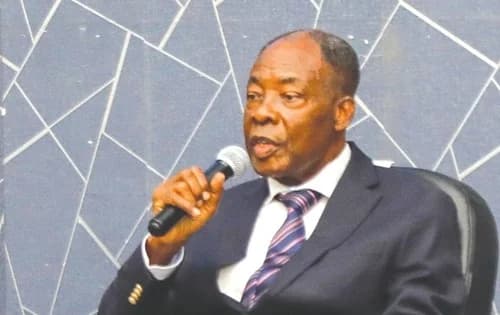
Ghana’s Minister for the Interior, Mohammed Mubarak Muntaka, has announced plans to implement mandatory drug testing for all public sector job applicants. This proposal follows the disqualification of over 6,000 candidates during a recent recruitment exercise who tested positive for illicit substances or displayed mental health issues. Speaking at the inauguration of a new classroom block at Sakafiya Islamic Senior High School, the Minister emphasized that the measure is necessary to ensure the integrity of the nation’s security services and public administration. He also expressed grave concern over the rising availability of drugs in secondary schools, urging educators and parents to monitor students closely to prevent substance abuse from derailing their academic futures.
Providing an update on the state of political security, Minister Muntaka revealed that 26 suspects have been arraigned in connection with violence during the 2020 and 2024 elections. While 25 individuals are currently standing trial, one high-profile suspect, Abdul Latif Copshe—wanted for murder—remains at large despite recently being declared the unopposed Youth Organiser for the New Patriotic Party (NPP) in his constituency. This update coincided with a National Policy Dialogue where former National Security Ministers Albert Kan-Dapaah and Francis Poku shared differing views on political violence. While Kan-Dapaah argued that ending vigilantism requires dismantling the demand for such services among political elites, Poku labeled the Vigilantism and Related Offences Act of 2019 as "unenforceable" and called for its repeal in favor of better private security regulations.
In the realm of environmental security, the National Anti-Illegal Mining Operations Secretariat (NAIMOS) has been active in protecting Ghana’s water bodies. A joint operation with the Ghana Armed Forces and Police recently led to the arrest of ten miners, including three Chinese nationals, for illegal activities threatening the Black Volta River. However, the secretariat also found itself defending its reputation following a fatal shooting in Akyem Hemang. Both NAIMOS and the Ministry of Lands and Natural Resources have denied involvement, asserting that the incident was likely perpetrated by impersonators wearing military uniforms. They emphasized that no NAIMOS operations were active in that area at the time and called for media houses to verify claims before publishing damaging reports.
Legal proceedings and institutional reforms also remain at the forefront of the national agenda. In Accra, the High Court denied a request by the former CEO of NAFCO, Hanan Abdul-Wahab Aludiba, to delay his financial impropriety trial until October 2026, granting only a short adjournment for health reasons. Additionally, the Inspector-General of Police (IGP), Christian Tetteh Yohuno, has issued a directive for motorists to yield to armored bullion vehicles (ABVs) following stricter construction standards for cash-in-transit vehicles. These developments reflect a broader push by the Ministry for the Interior to build civilian trust and modernize security protocols to address emerging regional threats and internal political volatility.