••
Interior Minister Discloses 1,300 Security Agency Applicants Tested Positive for HIV During Medical Screenings
•2 min read•3 sources
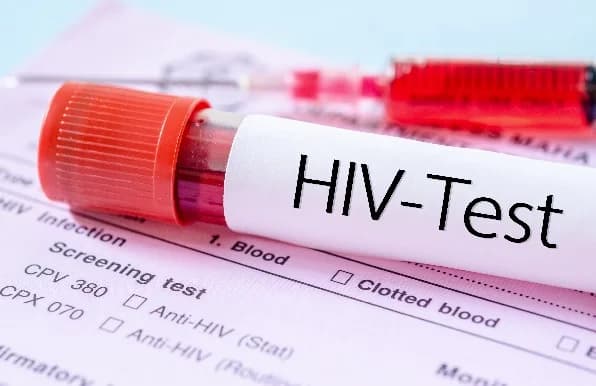
The Interior Minister, Muntaka Mohammed-Mubarak, has revealed that approximately 1,300 individuals who applied to join Ghana's various security agencies tested positive for HIV. This disclosure was made during a session in Parliament, highlighting the results of the rigorous medical screening processes that serve as a mandatory phase of the recruitment exercise. The findings have sparked significant discussion regarding public health surveillance and the welfare of unsuccessful applicants who may be unaware of their medical status.
During the parliamentary proceedings, the Chairperson of the Government Assurance Committee, Dominic Nitiwul, urged the Interior Ministry to take proactive steps in reaching out to the affected individuals. Nitiwul emphasized the necessity of informing these applicants of their status to facilitate immediate counseling and medical intervention. He recounted past efforts where counseling was used to mitigate health risks, noting that such measures are critical to preventing the further spread of the virus and ensuring that those affected are not left without guidance.
Addressing the protocol for handling sensitive health data, Minister Muntaka Mohammed-Mubarak explained that the government maintains a policy of not sending medical results directly to applicants to protect their privacy and psychological well-being. Instead, the ministry aims to ensure that individuals receive their diagnoses in a controlled environment where professional counseling and orientation are available. Applicants who were disqualified based on medical grounds have been provided with specific contact information to seek clarification on their health status through the appropriate channels.
The Minister further highlighted that many of the health conditions identified during the screening process, including HIV, are treatable and manageable with modern medical care. He encouraged all applicants who failed the medical stage to take the initiative to verify their results and seek professional help. This development underscores the dual role of security recruitment screenings as both a selection tool for the state and a vital mechanism for identifying health challenges within the broader population, providing a gateway for individuals to access life-saving treatment.
This story touches markets covered on Anansi Intelligence ↗.
More from health
Continue exploring similar stories


