••
NADMO and UNDP Train State Stakeholders in Parametric Insurance to Bolster Ghana’s Climate Disaster Resilience
•2 min read•1 source
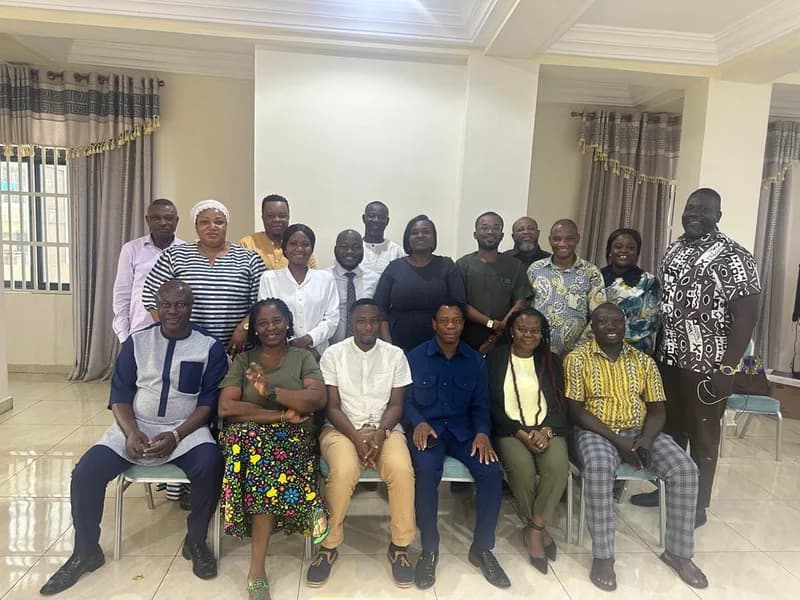
Stakeholders from several Ghanaian state institutions have concluded a comprehensive four-day training program focused on parametric insurance and disaster risk financing. This initiative, organized through a partnership between the National Disaster Management Organisation (NADMO), the Ministry of Finance, and the United Nations Development Programme (UNDP), is designed to enhance the nation's financial preparedness for climate-related disasters, with a specific focus on the recurring threat of flooding. The training brought together technical staff and policymakers, particularly from the Greater Accra region, to modernize the country's approach to disaster management and financial protection.
A central component of the training was the introduction of parametric insurance, a mechanism that offers a more efficient alternative to traditional insurance models. Dr. Yazidu Ustarz, a lead facilitator, explained that parametric insurance provides faster payouts because they are based on predefined, measurable triggers—such as specific rainfall levels or verified flood risk models—rather than time-consuming post-disaster damage assessments. This speed is critical for ensuring that emergency funds are available immediately after a disaster occurs, enabling more rapid response and recovery efforts.
Underscoring the broader socio-economic impact of these financial tools, Dr. Amina Sammo from the UNDP emphasized that disaster risk financing is a cornerstone of sustainable development. She noted that proactive financial planning is essential for protecting the livelihoods of vulnerable populations and building community resilience against economic shocks. By training officials to design effective triggers and measurement systems, the program aims to ensure that Ghana’s financial response to disasters is both predictable and robust, ultimately safeguarding the country’s development gains.
As climate change continues to influence the frequency and severity of weather events in West Africa, the adoption of innovative financing strategies marks a significant shift in Ghana’s disaster management policy. Moving toward a model that integrates advanced flood risk modeling with quick-disbursing insurance products allows the state to transition from reactive aid-seeking to proactive risk management. This training represents a vital step in aligning Ghana's disaster preparedness with international best practices, ensuring the country is better equipped to handle the environmental and economic challenges of the future.