••
Nana Agyei Baffour Awuah Refutes Misconduct Allegations as James Agalga Drives Development in Builsa North
•2 min read•3 sources
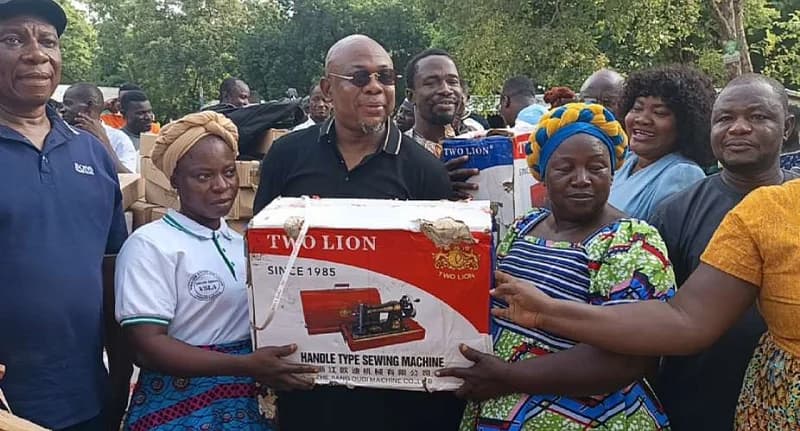
Nana Agyei Baffour Awuah, the Member of Parliament for Manhyia South, has forcefully refuted allegations of financial misappropriation involving GH¢2.2 million in legal fees and a GH¢24 million property transaction. The MP asserted that the claims are entirely unfounded and misrepresent the nature of the transactions involving his law firm. This defense comes on the heels of a controversial confrontation with the Economic and Organised Crime Office (EOCO), which has drawn sharp criticism from legal experts regarding the conduct of law enforcement agencies towards elected officials. Professor Kwadwo Appiagyei-Atua of the University of Ghana Law School has characterized the attempted arrest of Baffour Awuah by an EOCO operative as an attempted kidnapping. The professor highlighted that the officer involved failed to identify herself and that no immediate offense justified a warrantless arrest. According to the legal expert, Baffour Awuah was within his rights to resist the encounter, as the legal criteria for such an intervention were not met. He warned that the questionable use of law enforcement powers poses a significant threat to the rule of law and the fundamental rights of Ghanaian citizens. Parallel to these legal disputes, political activities in the Upper East Region saw the Builsa North MP and Majority Leader, James Agalga, spearheading a major development initiative. On September 26, 2026, Agalga distributed 128 sewing machines, 100 hairdryers, and 10 hospital beds during an event at the Sandema Durbar Grounds. The donation aimed to empower apprentices under the National Apprenticeship Programme and enhance healthcare delivery within the Builsa North Municipal Health Directorate. While the initiative was welcomed by constituents, the Majority Leader notably declined to disclose the specific funding source for the items, emphasizing the importance of transparency while urging residents not to attribute the support to opposition parties. These events highlight a period of heightened activity and scrutiny for Ghana's legislators, ranging from defensive legal battles to grassroots developmental efforts. While Baffour Awuah navigates the complexities of financial allegations and law enforcement conduct, James Agalga’s actions underscore the ongoing role of MPs in direct constituency support. Both cases reflect the broader national conversation regarding the accountability of public officials, the boundaries of law enforcement authority, and the transparency required in the execution of parliamentary duties.