••
Nana Kwaku Dadzie says power outages threaten Upper Dixcove fishing
•2 min read•1 source
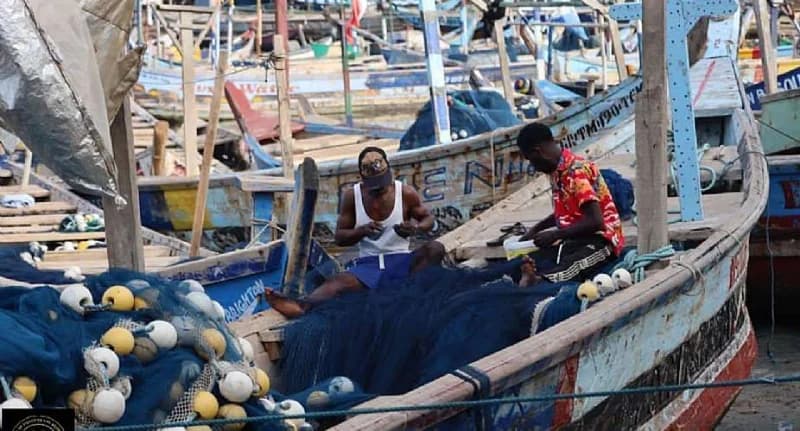
Nana Kwaku Dadzie, the Chief Fisherman of Upper Dixcove in the Western Region, has issued a stark warning regarding the impact of frequent power fluctuations, popularly known as "dumsor," on the local fishing industry. Speaking at a recent stakeholders' gathering, he highlighted that the inconsistent electricity supply is severely compromising the efficiency of cold storage facilities. This instability, he noted, poses a direct threat to the livelihoods of thousands who depend on the fishing value chain for their survival.
The concerns were brought to the fore during a workshop organized under the "Protecting Our Zone, Securing Our Future" project. The initiative was designed to educate artisanal fishers on recent developments within the marine sector and to discuss sustainable practices. However, the discourse quickly shifted to the immediate infrastructure challenges facing the community. Dadzie pointed out that without reliable power, the essential task of preserving fish becomes impossible, leading to significant post-harvest losses and financial ruin for local operators.
Local fishers who attended the session echoed the Chief Fisherman’s sentiments, sharing personal accounts of the hardships they face due to the erratic power supply. They noted that the resulting economic strain has made it increasingly difficult to meet basic household needs, including the payment of school fees for their children. The community is calling on the Ministry of Energy and the Electricity Company of Ghana (ECG) to prioritize the restoration of a stable power grid to Upper Dixcove to prevent the collapse of their primary economic activity.
The situation in Upper Dixcove reflects a broader concern within Ghana’s coastal communities where energy reliability is inextricably linked to food security and economic stability. As the fishing industry remains a vital sector for the nation, the Chief Fisherman’s plea serves as a reminder of the urgent need for infrastructure investments that protect the artisanal fishing sector from external shocks, such as the persistent energy challenges facing various parts of the country.
