••
Niamey residents face fuel shortages despite official recovery claims
•2 min read•1 source
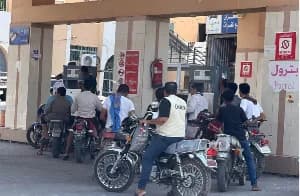
A severe fuel shortage has hit Niamey, the capital of Niger, leaving motorists stranded and causing massive disruptions to public and private transportation. Despite assurances from authorities that supply issues have been addressed, long queues continue to dominate petrol stations across the city as the scarcity enters a critical phase. Residents report that finding gasoline has become an arduous task, impacting the general movement of people and goods throughout the administrative hub. The situation has forced many residents to spend several days searching for fuel, often to no avail. Commuters are facing significant challenges getting to work and school, while the cost of informal transport services has begun to rise due to the scarcity. At various fuel pumps, lines of motorcycles and vehicles stretch for hundreds of meters, with some drivers forced to wait for hours in the hope of securing a few litres of petrol when a tanker eventually arrives. There is a clear disconnect between the official government narrative and the reality on the ground. While state officials have publicly claimed that the distribution problems have been resolved, the persistent lack of product suggests ongoing logistical or supply chain bottlenecks. This discrepancy has fueled frustration among the population, who are struggling to maintain their daily routines amidst the worsening scarcity of essential fuel. As the shortages persist, there are concerns about the broader economic impact on the capital. The disruption to transport networks threatens to increase the prices of essential commodities, adding further strain to the local economy. Without a transparent explanation or a visible increase in fuel distribution, the residents of Niamey remain in a state of uncertainty, waiting for a definitive resolution to the supply crisis that continues to hamper daily life.